
The cost for a cubic yard of sand can range from $15 to $50 or more, depending on the type of sand, where you buy it, and if delivery is included. This price guide will help you figure out the sand price per yard for your project. We’ll explore the factors that influence the cost of cubic yard of sand, from the specific sand type you need to delivery charges.
Planning a project often involves knowing the precise cost of materials. Sand is a fundamental building block for many DIY and professional endeavors, from creating patios to filling sandbox. But how much does it really cost to get this versatile material? This guide aims to answer that question thoroughly, breaking down the expenses involved in purchasing sand.
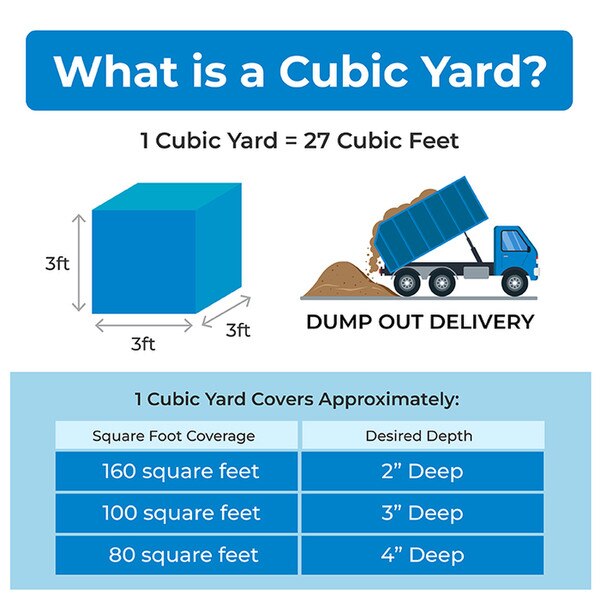
Image Source: www.cumminlandscapesupply.com
Fathoming the Factors Behind Sand Costs
Several elements play a crucial role in determining the final price you’ll pay for a cubic yard of sand. It’s not just about the sand itself; it’s about the entire process from extraction to your doorstep.
Types of Sand and Their Price Variations
Different applications call for different types of sand, and each type carries its own price tag.
Landscaping Sand Cost
Landscaping sand cost is often influenced by its coarseness and color. This type of sand is typically used for improving drainage in garden beds, creating pathways, or as a decorative element. It’s often a bit more processed than basic fill sand, which can slightly increase its price. Expect prices for landscaping sand to be in the mid-range.
Concrete Sand Price
Concrete sand price is generally competitive because it’s a widely used commodity. This sand needs to have specific grain sizes and be relatively clean to mix well with cement and aggregate for concrete. Its consistent demand helps keep its price stable, though bulk purchases can offer discounts.
Play Sand Price
Play sand price can sometimes be higher per cubic yard. This is because play sand is processed to be very fine, clean, and free of sharp edges or contaminants. This ensures it’s safe for children to play in. The extra screening and processing steps add to its cost compared to coarser sands.
Aggregate Sand Cost
Aggregate sand cost can vary widely. This is a broad category that includes sand used as a component in larger construction materials like asphalt and concrete. Its price is often tied to its availability in a particular region and its specific grading for its intended use. It’s usually a more economical option when bought in large quantities.
Volume and Purchasing Power
The amount of sand you buy significantly impacts the price per unit.
Buying Sand in Bulk
Buying sand in bulk is almost always more cost-effective. When you purchase sand by the cubic yard, rather than in smaller bags, you benefit from lower per-unit costs. Suppliers can move larger quantities more efficiently, passing those savings on to you. A truckload of sand, for instance, will have a much lower per-yard price than a 50-pound bag.
Bulk Sand Pricing Structures
Bulk sand pricing often follows tiered structures. The more cubic yards you order, the lower the price per cubic yard becomes. This encourages larger purchases and helps suppliers manage inventory. For substantial projects, exploring bulk discounts is essential.
Location and Regional Pricing
Where you are located plays a significant role in sand prices.
- Proximity to Quarries: If you live close to sand quarries or major suppliers, you’ll likely find lower prices due to reduced transportation costs.
- Transportation Costs: The further sand has to travel, the higher the delivery fees will be, directly impacting the final sand price per yard.
- Local Demand: High demand in a particular area can also drive up prices.
Delivery Charges
Unless you have a truck capable of hauling cubic yards of sand yourself, delivery is usually necessary, and it adds to the overall cost.
Sand Delivery Cost
Sand delivery cost is a critical factor. This cost is influenced by:
- Distance: The distance from the supplier to your project site.
- Quantity: Sometimes, delivery fees are per trip, so larger orders might incur multiple trips, or a flat rate for a full truckload.
- Site Accessibility: Difficult-to-access sites might incur extra charges.
- Type of Vehicle: A standard dump truck is common, but if a smaller vehicle or specialized equipment is needed, costs can increase.
Quality and Processing
The level of processing and the quality of the sand itself are key price determinants.
- Screening and Washing: Sand that has been screened to remove debris or washed to eliminate fine particles and contaminants will generally cost more. This is particularly true for play sand and some landscaping sands.
- Grain Size and Shape: Sand with specific, consistent grain sizes (grading) required for certain applications, like concrete, may be priced higher than general-purpose fill sand.
Deciphering the Costs: Price Ranges for Various Sand Types
Let’s break down the typical price ranges for different types of sand per cubic yard. Keep in mind these are estimates, and actual prices can fluctuate.
Basic Fill Sand
This is often the most economical option. It’s usually coarser and less processed.
- Price Range: $15 – $30 per cubic yard
- Uses: Backfilling, general leveling, creating a base for structures.
Construction Sand (e.g., Concrete Sand)
This sand meets specific grading and cleanliness requirements for construction.
- Price Range: $20 – $40 per cubic yard
- Uses: Mixing concrete, mortar, asphalt, and as aggregate.
Landscaping Sand
Used for decorative purposes, drainage, and pathways.
- Price Range: $25 – $45 per cubic yard
- Uses: Garden beds, pathways, decorative mulch, drainage layers.
Play Sand
Specially processed for safety and softness.
- Price Range: $30 – $50+ per cubic yard
- Uses: Sandboxes, children’s play areas, decorative beach-like features.
Specialty Sands (e.g., Decorative Gravel Sand, Specialty Blends)
These can be significantly more expensive due to unique colors, textures, or specific mixtures.
- Price Range: $40 – $70+ per cubic yard
- Uses: High-end landscaping, custom projects, specific decorative applications.
Table 1: Estimated Sand Prices Per Cubic Yard
| Sand Type | Typical Price Range (per Cubic Yard) | Primary Uses | Notes |
|---|---|---|---|
| Basic Fill Sand | $15 – $30 | Backfilling, leveling, general construction base | Less processed, coarser grain. |
| Construction Sand | $20 – $40 | Concrete, mortar, asphalt, general aggregate | Specific grading and cleanliness required. |
| Landscaping Sand | $25 – $45 | Garden beds, pathways, drainage, decorative | Can vary in coarseness and color. |
| Play Sand | $30 – $50+ | Children’s sandboxes, play areas | Highly screened, clean, soft, and safe. |
| Specialty Sands | $40 – $70+ | Decorative landscaping, custom projects | Unique colors, textures, or specific blends. |
Note: These prices are estimates and do not include delivery costs.
Calculating Your Sand Needs: How Much Sand Do I Need?
A common question is “how much sand do I need?” This is crucial for budgeting and ordering the correct amount.
Measuring for Your Project
- Determine the Area: Measure the length and width of the area you need to fill with sand in feet.
- Determine the Depth: Decide how deep the sand layer needs to be, also in feet.
- Calculate Volume in Cubic Feet: Multiply length × width × depth.
- Example: A patio base is 10 feet long, 8 feet wide, and needs a 4-inch sand layer. First, convert inches to feet: 4 inches / 12 inches/foot = 0.33 feet.
- Volume = 10 ft × 8 ft × 0.33 ft = 26.4 cubic feet.
Converting Cubic Feet to Cubic Yards
Since sand is typically sold by the cubic yard, you need to convert your cubic feet measurement.
- There are 27 cubic feet in 1 cubic yard.
-
Formula: Cubic Yards = Cubic Feet / 27
-
Continuing the example: 26.4 cubic feet / 27 cubic feet/yard = 0.98 cubic yards.
-
Tip: Always round up to the next whole or half cubic yard to ensure you have enough. In this case, order 1 cubic yard.
-
Estimating Sand for Common Projects
- Sandbox (4′ x 4′ x 1′ deep): (4 x 4 x 1) / 27 = 0.59 cubic yards. Round up to 0.75 or 1 cubic yard.
- Pathway (10′ long x 3′ wide x 4″ deep): (10 x 3 x 0.33) / 27 = 0.37 cubic yards. Round up to 0.5 cubic yards.
- Patio Base (10′ x 10′ x 4″ deep): (10 x 10 x 0.33) / 27 = 1.22 cubic yards. Round up to 1.5 cubic yards.
Hidden Costs and Considerations
Beyond the base price of the sand itself, several other expenses can influence your total outlay.
Delivery Fees in Detail
As mentioned, delivery is a significant factor.
- Minimum Delivery Charges: Many suppliers have a minimum delivery fee, regardless of the quantity ordered.
- Zone Pricing: Delivery costs are often based on geographical zones. The further you are from the supplier, the higher the fee.
- Haulage Capacity: Dump trucks have capacity limits (often around 10-14 cubic yards). If your order exceeds this, multiple trips or larger trucks might be needed, affecting the sand delivery cost.
- Unloading Services: While most deliveries include basic dumping, specialized unloading might cost extra.
Bagged Sand vs. Bulk Sand
The convenience of bagged sand comes at a premium.
- Bagged Sand: Typically sold in 50 lb or 75 lb bags. The sand price per yard for bagged sand can be 2-3 times higher than bulk.
- Bulk Sand: Purchased by the cubic yard, often delivered directly by a dump truck. This is the more economical choice for larger quantities.
Tools and Equipment
If you’re not getting delivery, you’ll need to consider how you’ll transport the sand.
- Trailer Rental: If you plan to pick it up yourself, you’ll need a trailer. Rental costs can add to your project expenses.
- Loading: You’ll need a shovel or, for larger quantities, a small loader to get the sand into your vehicle.
Site Preparation
Ensure your delivery site is accessible for the truck.
- Clear Access: Driveways should be clear of obstructions. Soft ground might require plywood to prevent the truck from getting stuck.
- Placement: Specify where you want the sand dumped. Some suppliers might charge extra for precise placement.
Getting the Best Value: Tips for Purchasing Sand
To ensure you get the most for your money, consider these strategies:
Compare Quotes from Multiple Suppliers
Don’t settle for the first price you find.
- Local Suppliers: Check prices from several local landscape supply yards, quarries, and construction material providers.
- Online Retailers: Sometimes, large online home improvement stores offer sand, but always compare their pricing with local options, especially considering delivery.
Timing Your Purchase
- Off-Season Buying: If possible, buying during slower periods (e.g., late fall or winter) might yield better prices.
- Sales and Promotions: Keep an eye out for seasonal sales or contractor discounts.
Know Your Sand Type
- Don’t Overpay: Ensure you’re not buying expensive play sand when basic fill sand will suffice for your needs. Conversely, don’t use inadequate fill sand for a project requiring specific concrete sand.
Factor in Total Cost
When comparing prices, always include delivery fees and any other potential charges to get the true cost of cubic yard of sand for your project.
Frequently Asked Questions (FAQ)
Q1: What is the average cost of a cubic yard of sand?
A1: The average cost typically falls between $20 and $40 per cubic yard, but this can vary significantly based on the type of sand, location, and delivery fees.
Q2: Is it cheaper to buy sand in bags or in bulk?
A2: It is almost always cheaper to buy sand in bulk (by the cubic yard) than in bags. Bagged sand typically costs more per cubic yard due to packaging and smaller-scale handling.
Q3: How much does sand delivery cost per cubic yard?
A3: Sand delivery cost varies widely. It can range from $50 to $150 or more for a single delivery, depending on the distance, quantity, and accessibility of the delivery site. It’s best to get a direct quote from your supplier.
Q4: Can I pick up sand myself to save on delivery costs?
A4: Yes, if you have a suitable vehicle like a truck or a trailer with sufficient capacity and a way to load it (like a shovel or access to a loader), picking it up yourself can save on delivery fees.
Q5: What is the difference between concrete sand and fill sand?
A5: Concrete sand is specifically graded with a consistent particle size and is clean, designed to mix properly with cement and aggregate for concrete. Fill sand is generally coarser, less processed, and may contain more fines or debris, making it suitable for general leveling or backfilling but not for concrete mixes.
Q6: How much sand do I need for a sandbox?
A6: For a standard sandbox (e.g., 4’x4’x1′), you would need approximately 0.59 cubic yards of sand. It’s wise to round up to 0.75 or 1 cubic yard to account for settling and to ensure you have enough.
Q7: What is considered bulk sand pricing?
A7: Bulk sand pricing refers to the lower per-unit cost you receive when purchasing larger quantities, typically by the cubic yard or in truckload amounts. Suppliers often have tiered pricing where the price per yard decreases as the quantity ordered increases.
Q8: What is the approximate cost of landscaping sand per cubic yard?
A8: Landscaping sand generally costs between $25 and $45 per cubic yard, depending on its specific properties like grain size, color, and processing.
Conclusion
Determining the cost of cubic yard of sand involves looking beyond just the listed price. By carefully considering the type of sand required, the quantity needed, potential delivery charges, and regional variations, you can accurately budget for your project. Whether you’re a DIY enthusiast working on a garden path or a contractor preparing a concrete foundation, this guide provides the insights needed to navigate the pricing landscape and secure the best value for your sand purchase. Always get detailed quotes that include all potential fees to avoid surprises and ensure your project stays on track.