
The cost of gravel per cubic yard can vary significantly, but you can generally expect to pay between $10 to $70 per cubic yard for the material itself, before factoring in delivery and installation. This broad range is influenced by many factors, as we will explore.
Gravel is a popular and versatile material used in countless projects, from driveways and pathways to landscaping and drainage. Knowing the cubic yard gravel prices is crucial for budgeting any home improvement or construction endeavor. This comprehensive guide will help you decipher the costs involved, whether you’re planning a small garden bed or a large commercial project.
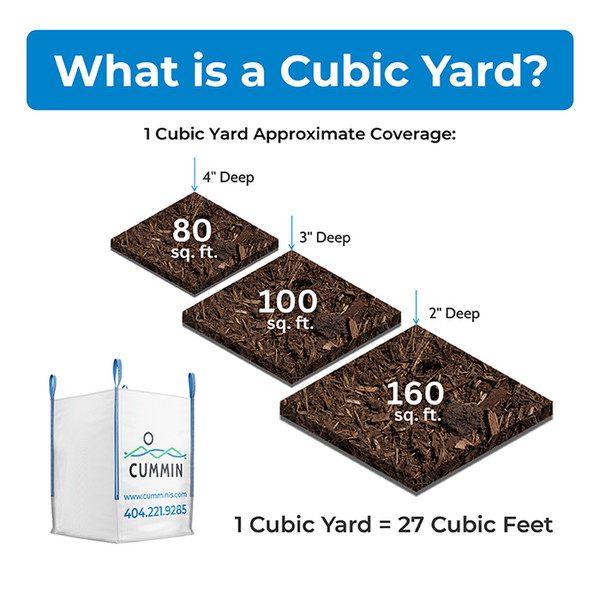
Image Source: www.cumminlandscapesupply.com
Fathoming the Factors Influencing Gravel Costs
Several key elements contribute to the final price you’ll pay for gravel. These aren’t just about the material itself, but also about getting it to your site and ready for use.
Type of Gravel and Its Origin
The type of gravel is the primary driver of its cost. Different stones have different origins, mining processes, and desired qualities.
- Crushed Stone vs. River Rock: Crushed stone, often angular and interlocking, is typically produced by crushing larger rocks. This process can be more labor-intensive and therefore slightly more expensive than naturally rounded river rocks. However, crushed stone often provides better stability for applications like driveways. River rock, smoothed by water over time, offers a more decorative appeal and can be pricier due to its aesthetic qualities and potentially more difficult collection.
- Material Composition: The type of rock being crushed or sourced plays a role. Limestone is generally abundant and less expensive. Granite and other harder stones may command higher prices due to their durability and the effort required for quarrying and processing. Decorative gravels, like pea gravel or specialized colored stones, often come with a premium price tag.
- Local Availability: The cost of gravel is also heavily influenced by its proximity to your location. If a quarry is nearby, transportation costs will be lower, leading to a more affordable price. Conversely, if the gravel needs to be transported long distances, expect the gravel yard cost estimator to reflect higher shipping expenses.
Quantity and Bulk Purchasing
When you buy gravel by the yard, the price per cubic yard often decreases as the quantity increases.
- Bulk Gravel Pricing: Purchasing gravel in bulk, typically by the ton or cubic yard, is almost always more economical than buying smaller bags. Landscape supply yards and quarries offer the best bulk gravel pricing. They sell materials by the cubic yard or by the ton, and the more you buy, the less you pay per unit.
- Estimating Your Needs: It’s essential to accurately estimate how much gravel you need to avoid over- or under-ordering. Using a gravel prices calculator is highly recommended for this. These calculators typically ask for the length, width, and desired depth of your project area, then convert these measurements into cubic yards.
Delivery Costs
The gravel delivery cost can be a significant portion of your total expenditure, especially if you’re not picking it up yourself.
- Distance from Supplier: The further the delivery location is from the gravel supplier’s yard, the higher the delivery fee will be. Many suppliers have a base delivery fee within a certain radius and then charge an additional amount per mile beyond that.
- Delivery Method and Truck Size: The type of truck used for delivery can also affect the price. Larger trucks that can haul more material might have a higher flat fee, but could be more cost-effective if you need a large volume. Some suppliers may offer smaller delivery trucks for tighter spaces, which might have a different pricing structure.
- Unloading Fees: In some cases, there might be separate fees for the unloading process, especially if it requires specialized equipment.
Installation and Labor
Beyond the material and delivery, gravel installation cost is another factor to consider, particularly for larger projects like driveways or patios.
- Site Preparation: Before gravel can be laid, the area often needs preparation. This might include excavation, grading, weed barrier installation, and compaction. These preparatory steps add to the labor costs.
- Labor Rates: The hourly rates for landscaping or construction professionals will vary based on your geographic location and the complexity of the job.
- DIY vs. Professional Installation: If you plan to install the gravel yourself, you’ll save on labor costs but will need to account for your time, effort, and potentially tool rentals. For DIY projects, consider renting equipment like a plate compactor for proper ground stabilization.
Deciphering Gravel Prices: What to Expect
Let’s break down the typical average gravel prices you might encounter for different types of gravel. These figures are estimates and can fluctuate significantly.
Common Gravel Types and Their Price Ranges
Here’s a look at some popular gravel types and their approximate cost per cubic yard:
| Gravel Type | Description | Average Price Per Cubic Yard (Material Only) | Typical Uses |
|---|---|---|---|
| Crushed Stone (e.g., 3/4″ Minus) | Angular, interlocking pieces of crushed rock, often containing fines for better compaction. | $20 – $40 | Driveways, pathways, base layers for patios, retaining walls. |
| Pea Gravel | Small, rounded stones, typically 3/8″ to 1/2″ in size. Available in various natural colors. | $30 – $60 | Decorative landscaping, walkways, playgrounds, drainage around foundations. |
| River Rock | Smooth, rounded stones, often larger than pea gravel, with a natural, polished appearance. | $40 – $70 | Landscaping features, dry creek beds, decorative borders, accent areas. |
| Decomposed Granite | Finely crushed granite that compacts into a hard, smooth surface. | $30 – $50 | Walking paths, patios, natural-looking landscaping. |
| Gravel Base (e.g., 2″ Minus) | Coarser crushed stone, ideal for creating a stable sub-base for construction projects. | $15 – $30 | Foundation for roads, driveways, building sites, large landscaping projects. |
| Decorative Gravel (e.g., Quartzite, Lava Rock) | Specially colored or textured stones for aesthetic appeal. | $50 – $100+ | Garden beds, borders, high-end landscaping features. |
Note: Prices are estimates and do not include delivery or installation.
The Role of a Gravel Prices Calculator
When planning your project, utilizing a gravel prices calculator can save you time and money. These tools are readily available online from landscaping supply companies and rock quarries.
- How They Work: You input the dimensions of your project area (length, width, depth) and the desired gravel type. The calculator then uses standard conversion rates and your chosen material’s price to estimate the total quantity needed in cubic yards and an approximate cost.
- Benefits: They help prevent under-ordering (which leads to more deliveries and potential price increases) or over-ordering (which wastes money). They also provide a quick way to compare costs between different gravel types.
Estimating Gravel Yard Cost
A gravel yard cost estimator is essentially the same tool as a gravel prices calculator, focusing on the material cost from a specific supplier. When you visit a gravel yard or their website, you’ll find pricing lists that can be used with these estimators.
- Material Cost Breakdown: The estimator will help you tally up the cost of the gravel itself. Remember to check if the prices are listed per cubic yard or per ton, as this can affect your calculations if you’re comparing different suppliers.
- Tons vs. Cubic Yards: The weight of gravel can vary based on its density and moisture content. A general rule of thumb is that one cubic yard of gravel weighs approximately 1.5 tons. Always confirm with your supplier how they price their material.
Factors Affecting Your Gravel Purchase
Beyond the basic material price, several other elements contribute to the overall cost of gravel per cubic yard.
Location, Location, Location
Your geographic location plays a significant role in the average gravel prices.
- Regional Variations: Gravel costs are generally lower in areas with abundant local quarries and higher in regions where gravel must be transported from afar. For example, gravel in mountainous or quarry-rich regions might be cheaper than in flat, densely populated areas.
- Urban vs. Rural: While rural areas might have closer quarries, the demand and delivery infrastructure in urban centers can sometimes lead to competitive pricing, or conversely, higher delivery fees due to traffic and logistics.
Seasonality and Demand
Like many commodities, the demand for gravel can fluctuate with the seasons.
- Peak Seasons: Spring and summer are typically peak seasons for landscaping and construction projects. This increased demand can sometimes lead to slightly higher prices or longer wait times for delivery.
- Off-Peak Benefits: Purchasing gravel in the fall or winter might offer minor cost savings or better availability, provided your project can accommodate these times.
Supplier Markup and Service
The company you choose to buy gravel by the yard from will also influence the final price.
- Retail vs. Wholesale: Landscape supply yards and garden centers typically offer gravel in smaller quantities (bags) at a higher per-unit cost. Quarries and bulk material suppliers offer the best bulk gravel pricing directly from the source.
- Services Offered: Some suppliers may include basic grading or spreading services as part of their delivery, which could be reflected in a slightly higher price but save you labor.
Calculating Your Gravel Needs: A Practical Approach
Accurate calculation is key to managing your budget and ensuring you have enough material.
How Many Cubic Yards Do You Need?
Here’s a simple way to estimate your gravel requirements:
- Measure Your Area: Determine the length and width of the area you need to cover in feet.
- Determine Desired Depth: Decide on the depth of gravel you need. Common depths include:
- Pathways: 2-4 inches
- Driveways: 4-8 inches (often with multiple layers)
- Landscaping Beds: 2-4 inches
- Drainage: 6-12 inches
- Convert Depth to Feet: Since your length and width are in feet, convert your desired depth from inches to feet by dividing by 12. (e.g., 4 inches / 12 inches/foot = 0.33 feet).
- Calculate Volume in Cubic Feet: Multiply length × width × depth (in feet).
- Convert Cubic Feet to Cubic Yards: There are 27 cubic feet in 1 cubic yard. Divide your total cubic feet by 27.
Formula:
Cubic Yards = (Length (ft) × Width (ft) × Depth (ft)) / 27
Example:
You want to cover a patio area that is 10 feet long and 8 feet wide with 4 inches of gravel.
- Depth in feet = 4 inches / 12 inches/foot = 0.33 feet
- Volume in cubic feet = 10 ft × 8 ft × 0.33 ft = 26.4 cubic feet
- Cubic Yards = 26.4 cubic feet / 27 cubic feet/yard ≈ 0.98 cubic yards
For practical purposes, you’d likely round up to 1 cubic yard. It’s always wise to add about 10% extra to account for settling and uneven areas.
Utilizing a Gravel Yard Cost Estimator for Accuracy
Once you have your estimated cubic yardage, you can use online tools or contact suppliers directly.
- Online Calculators: Many websites offer a gravel prices calculator where you input your dimensions, and it provides an estimate.
- Supplier Quotes: Contact local gravel yards and ask for a quote based on your project size and the specific type of gravel you’re interested in. Be sure to inquire about delivery fees and minimum order quantities.
Beyond the Material: Additional Costs to Factor In
The price tag on gravel isn’t just about the stones. Think about the entire process from start to finish.
Gravel Delivery Cost: The Hidden Expense
As mentioned, delivery is a crucial cost.
- Understanding Delivery Fees: Ask suppliers for a clear breakdown of their gravel delivery cost. Is it a flat rate? Is it by the mile? Are there extra charges for difficult access or specific unloading requirements?
- Consolidating Deliveries: If you have multiple landscaping materials to order, try to consolidate them with one supplier for a single delivery to potentially reduce overall shipping costs.
Gravel Installation Cost: DIY vs. Professional
The decision to do it yourself or hire professionals has a significant impact on your budget.
- DIY Savings: If you have the time, physical ability, and necessary tools (or can rent them affordably), DIY installation can save you a considerable amount on labor. However, factor in the cost of tool rentals (e.g., wheelbarrow, shovel, rake, plate compactor) and your time.
- Professional Installation: For larger or more complex projects, hiring professionals ensures the job is done correctly and efficiently. This includes proper site preparation, grading, and compaction, which are vital for the longevity and functionality of your gravel project. The gravel installation cost will vary based on the complexity of the job, the size of the area, and local labor rates.
Ancillary Materials
Don’t forget other materials you might need:
- Weed Barrier Fabric: Essential for preventing weeds from growing through your gravel. Costs vary based on quality and size.
- Edging: To keep gravel contained, especially in garden beds or pathways.
- Compaction Tools: If doing it yourself, renting a plate compactor is often necessary.
Tips for Saving Money on Your Gravel Purchase
Getting the best value for your money is always a priority.
Shop Around and Compare Prices
- Local Quarries and Suppliers: Always start by checking with local quarries and landscaping supply yards. They often have the best bulk gravel pricing.
- Online Research: Use online resources to compare prices from different suppliers in your area.
Buy in Bulk
- Economies of Scale: As previously stated, buy gravel by the yard in larger quantities whenever possible. This is the most effective way to reduce your per-unit cost.
- Share with Neighbors: If you only need a small amount, consider teaming up with a neighbor who also needs gravel to place a larger, more cost-effective bulk order.
Consider Alternative Gravel Types
- Locally Sourced Options: Explore more common and locally abundant gravel types. These are often less expensive than imported or specialty decorative stones.
- Reclaimed Gravel: Sometimes, contractors or demolition companies have reclaimed gravel that can be purchased at a lower cost.
Optimize Your Delivery
- Clear Access: Ensure your delivery site is easily accessible for the truck to minimize any potential extra charges.
- Flexible Scheduling: If possible, be flexible with your delivery date to take advantage of supplier schedules or off-peak times.
Frequently Asked Questions About Gravel Costs
Here are some common questions people have when looking to buy gravel:
Q1: What is the average cost of gravel per cubic yard?
A1: The cost of gravel per cubic yard typically ranges from $10 to $70 for the material itself, but the total cost including delivery and installation can be significantly higher.
Q2: How do I calculate how much gravel I need?
A2: Measure your area’s length and width, decide on the desired depth, convert all measurements to feet, and use the formula: Cubic Yards = (Length (ft) × Width (ft) × Depth (ft)) / 27. Adding 10% extra is recommended.
Q3: Can I buy gravel in bulk?
A3: Yes, you can buy gravel by the yard or by the ton from landscape supply yards and quarries. Bulk gravel pricing is almost always more economical.
Q4: What affects the gravel delivery cost?
A4: The gravel delivery cost is primarily influenced by the distance from the supplier, the size of the truck, and any specific unloading requirements.
Q5: Is it cheaper to buy gravel in bags or in bulk?
A5: It is significantly cheaper to buy gravel by the yard in bulk compared to purchasing it in smaller bags from retail stores.
Q6: What is included in the gravel installation cost?
A6: The gravel installation cost generally includes site preparation (like grading and compaction), the labor for laying the gravel, and any necessary finishing work.
Q7: Are there online tools to estimate gravel costs?
A7: Yes, many suppliers and landscaping resources offer a gravel prices calculator or gravel yard cost estimator to help you budget.
By carefully considering all these factors – the type of gravel, quantity, delivery, installation, and shopping around – you can effectively manage your budget and achieve the desired results for your project.