
The cost of a yard of sand can range from $15 to $75 or more, depending on the type of sand, quantity, quality, and your location. This guide will break down all the factors that influence sand price per cubic yard to help you make informed purchasing decisions for your projects, whether you need it for landscaping materials cost, construction, or just a bit of fun.
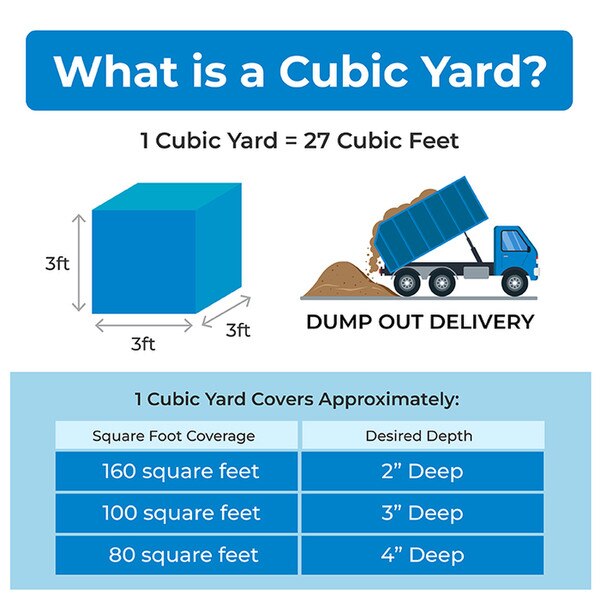
Image Source: www.cumminlandscapesupply.com
Deciphering the Cost of Sand: Key Influencing Factors
Several elements contribute to the final price you’ll pay for a yard of sand. Let’s explore these in detail.
Types of Sand and Their Price Variations
Not all sand is created equal, and different applications call for different types of sand. This directly impacts its cost.
Construction Sand (All-Purpose Sand)
- Description: This is a coarse, granular sand often made from crushed stone or gravel. It’s essential for concrete mixes, mortar, backfilling, and general construction projects.
- Cost: Generally one of the most affordable options.
- Price Range: $15 – $35 per cubic yard.
- Why it costs what it does: Its widespread availability and less refined processing make it cost-effective.
River Sand
- Description: Naturally rounded grains formed by the action of water, river sand is smoother and cleaner than construction sand. It’s often used for plastering, screeds, and sometimes in decorative applications where a natural look is desired.
- Cost: Slightly more expensive than basic construction sand due to its smoother texture and potential need for washing.
- Price Range: $25 – $50 per cubic yard.
- Why it costs what it does: The natural washing and smoothing process adds value.
Play Sand (Washed Play Sand)
- Description: This is finely screened and washed sand, free from sharp edges and impurities. It’s safe and soft for children’s sandbox play.
- Cost: Higher than construction or river sand due to rigorous screening and washing processes to ensure safety and quality.
- Price Range: $30 – $60 per cubic yard.
- Why it costs what it does: Safety standards and the multi-step purification process drive up the price.
Decorative Sand
- Description: This category encompasses a wide variety of sands, including colored sands, polished sands, and specialty sands used for aesthetic purposes in gardens, pathways, planters, and craft projects.
- Cost: The most expensive category, with prices varying greatly based on color, coarseness, and origin.
- Price Range: $30 – $75+ per cubic yard.
- Why it costs what it does: Dyeing, polishing, and importing specialty sands significantly increase production costs.
Concrete Sand
- Description: Similar to construction sand but specifically graded for use in concrete mixtures. It provides good strength and workability.
- Cost: Falls within a similar range to construction sand.
- Price Range: $20 – $40 per cubic yard.
- Why it costs what it does: The specific grading ensures optimal performance in concrete.
Quality and Purity
The purity and quality of the sand play a significant role in its price.
- Washed Sand: Sand that has been processed to remove fine particles, silt, and clay. This makes it cleaner and more suitable for applications where a fine finish is needed, like plastering or playgrounds. Washed sand is generally more expensive.
- Screened Sand: Sand that has been passed through screens to sort particles by size. This ensures a consistent grain size, which is important for many construction and landscaping applications. Screened sand is also typically more costly than unscreened sand.
- Impurities: Sand with a high content of clay, silt, or organic matter will be cheaper but less suitable for many uses.
Quantity and Bulk Purchases
Buying sand in larger quantities often leads to a lower sand price per cubic yard.
- Bagged Sand: Typically sold in 50-pound or 100-pound bags. While convenient for small projects, the price per cubic yard is significantly higher than buying in bulk. Expect to pay $5 – $10 per 50lb bag.
- Bulk Delivery: Ordering sand by the cubic yard (or multiple cubic yards) directly from a quarry or landscape supplier. This is the most economical option for larger projects. The more you buy, the lower the bulk sand prices can become per unit.
Location and Proximity to Source
Your geographical location and how close you are to a sand quarry or supplier are crucial cost factors.
- Transportation Costs: Sand is heavy and bulky. The further it has to travel, the higher the sand delivery cost.
- Regional Availability: Some regions may have abundant sand resources, leading to lower prices, while others might rely on more distant sources, increasing the overall cost.
Sand Delivery Cost
This is a significant component of the total price, especially if you’re not picking it up yourself.
- Distance: The mileage from the supplier to your delivery location is the primary driver of delivery fees.
- Delivery Vehicle: The type of truck used (e.g., dump truck, flatbed) and its capacity can influence the cost.
- Minimum Orders: Some suppliers may have minimum order requirements for delivery.
- Delivery Fees: These can be a flat rate per trip, a per-mile charge, or a percentage of the total order. It’s common for delivery to add $50 to $200+ to your total bill.
Calculating Your Sand Needs and Costs
Knowing how much sand you need is essential to avoid overspending or running out mid-project.
How to Calculate Sand Cost
The most straightforward way to calculate sand cost is:
Total Cost = (Cost per Cubic Yard + Delivery Cost) x Number of Cubic Yards
However, you first need to determine the number of cubic yards.
Estimating Cubic Yards
- Measure your area:
- Rectangular/Square Areas: Length (ft) x Width (ft) x Depth (ft) = Cubic Feet
- Circular Areas: π (pi) x Radius (ft)² x Depth (ft) = Cubic Feet (Use 3.14 for π)
- Convert Cubic Feet to Cubic Yards: Since there are 27 cubic feet in 1 cubic yard (3ft x 3ft x 3ft = 27 cu ft), divide your total cubic feet by 27.
Cubic Yards = Cubic Feet / 27
Example: You need to fill a sandbox that is 8 feet long, 6 feet wide, and 1 foot deep.
* Cubic Feet = 8 ft x 6 ft x 1 ft = 48 cubic feet
* Cubic Yards = 48 cu ft / 27 cu ft/yard = 1.78 cubic yards.
It’s always wise to round up to the nearest half or full yard to account for settling and any slight measurement errors. So, you would order 2 cubic yards.
Estimating Costs Based on Project Type
Let’s look at common projects and their associated landscaping materials cost or construction costs.
Landscaping Projects
- Decorative Garden Beds: Filling raised beds or creating top-dressing often requires finer or decorative sands.
- Sand Type: Decorative sand, washed sand.
- Quantity: Varies greatly depending on the size and depth of beds.
- Estimated Cost: For a medium-sized garden bed (e.g., 4ft x 8ft x 0.5ft deep), you’d need about 0.5 cubic yards. At $40/yard + $75 delivery, this could be around $95.
- Pathways: Can use coarser decorative gravel mixed with sand, or a base layer of construction sand.
- Sand Type: Construction sand, decorative sand/gravel mix.
- Quantity: Depends on width, length, and desired depth.
- Estimated Cost: For a 3ft wide, 50ft long pathway needing a 4-inch (0.33 ft) base layer, you’d need approximately 1.5 cubic yards. At $30/yard + $100 delivery, this is about $145.
- Base for Pavers/Patio: Requires a stable, level base, often using coarse sand.
- Sand Type: Concrete sand, construction sand.
- Quantity: Crucial for stability, often 4-6 inches deep.
- Estimated Cost: For a 10ft x 10ft patio with a 6-inch (0.5 ft) base, you’d need about 1.85 cubic yards (round up to 2). At $25/yard + $75 delivery, this is around $125.
Construction Projects
- Concrete Mixing: Requires specific sand ratios for strength.
- Sand Type: Concrete sand, construction sand.
- Quantity: A significant component of concrete.
- Estimated Cost: The construction sand cost here is typically bundled into the concrete price, but if buying sand separately, it’s a major material expense.
- Backfilling Trenches: Using readily available, less expensive sand.
- Sand Type: Construction sand.
- Quantity: Varies by trench size.
- Estimated Cost: The sand price per cubic yard is low, making it cost-effective for this purpose.
Recreational Projects
- Playgrounds: Safety and softness are paramount.
- Sand Type: Play sand.
- Quantity: Depends on the size of the play area and depth required (often 6-12 inches).
- Estimated Cost: For a 10ft x 10ft sandbox needing 8 inches (0.67 ft) of play sand, you’d need about 2.5 cubic yards. At $45/yard + $100 delivery, this comes to around $212.50. The playground sand price reflects its specialized nature.
Where to Buy Sand
Finding the right supplier is key to getting quality sand at a fair price.
Local Quarries and Landscape Suppliers
- Pros: Often the best source for bulk quantities, competitive pricing, and direct-from-source quality. They usually offer delivery.
- Cons: May have minimum order requirements; quality can vary between suppliers.
Garden Centers and Home Improvement Stores
- Pros: Convenient for smaller quantities (bagged sand), readily available.
- Cons: Significantly higher price per cubic yard for bagged sand compared to bulk. Limited selection of sand types.
Online Retailers
- Pros: Wide variety of specialty and decorative sands, convenient ordering.
- Cons: Delivery costs can be very high for heavy materials like sand; quality can be harder to assess online.
Factors Affecting Sand Prices Over Time
Like most commodities, sand prices aren’t static. Several macroeconomic factors can influence what you pay.
Economic Conditions
- Construction Boom: High demand from the construction industry can drive up prices due to increased demand for aggregates like sand.
- Economic Downturns: Reduced construction activity can lead to lower demand and potentially more competitive pricing.
Environmental Regulations
- Sand Mining Restrictions: Environmental concerns and regulations regarding sand extraction, particularly from rivers and coastlines, can limit supply and increase costs.
- Wastewater Treatment: Stricter regulations on processing and water usage for washing sand can also add to production costs.
Transportation and Fuel Costs
- Fuel Prices: As mentioned, transportation is a major cost component. Fluctuations in diesel and gasoline prices directly impact delivery fees.
- Infrastructure: The condition of roads and availability of transport vehicles can also affect supply chain efficiency and costs.
Frequently Asked Questions (FAQ)
Q1: What is the cheapest type of sand?
A1: Generally, construction sand or all-purpose sand is the cheapest type of sand because it’s readily available and requires less processing.
Q2: How much does a truckload of sand cost?
A2: The cost of a “truckload” varies greatly depending on the truck’s capacity (typically 8-15 cubic yards for a standard dump truck) and the type of sand. A rough estimate for a full truckload of basic construction sand, including delivery, could range from $200 to $600 or more.
Q3: Can I get sand delivered for free?
A3: Free sand delivery is very rare. Most suppliers charge a delivery fee based on distance and the quantity ordered. Sometimes, if you order a very large quantity (e.g., multiple truckloads), the delivery cost might be negotiated or appear to be included in the per-yard price.
Q4: What is the difference between play sand and construction sand?
A4: Play sand is specifically processed (washed and screened multiple times) to be soft, clean, and free from sharp particles or impurities to ensure children’s safety. Construction sand is coarser and may contain small amounts of silt or clay, making it suitable for building materials but not ideal for direct contact like in a sandbox.
Q5: How do I know how much sand I need?
A5: You can calculate your sand needs by measuring the length, width, and depth of the area you need to fill in feet. Multiply these dimensions to get cubic feet, then divide by 27 to convert to cubic yards. Always round up to ensure you have enough.
Q6: Does the color of the sand affect the price?
A6: Yes, natural sands have their own colors. However, colored sands, which are typically achieved by dyeing white or natural sand, are considered decorative and will be significantly more expensive due to the added coloring process.
Q7: Is river sand good for landscaping?
A7: Yes, river sand can be good for certain landscaping applications, especially where a smoother texture is desired, like in decorative pathways or as a component in soil mixes for specific plants. Its rounded grains can also improve drainage in some contexts.
Q8: How much does 1 cubic yard of sand weigh?
A8: The weight of 1 cubic yard of sand can vary depending on its moisture content and type, but a general estimate is between 2,500 to 3,000 pounds (about 1.25 to 1.5 tons). This is important to consider when planning delivery and ensuring your site can handle the weight.
Conclusion
The cost of sand for landscaping, construction, or play is a variable figure influenced by a multitude of factors. By carefully considering the type of sand you need, its quality, the quantity, and the associated delivery expenses, you can accurately budget for your projects. Whether you’re looking for bulk sand prices for a large construction site or a few bags of playground sand price, this guide aims to provide you with the knowledge to make the most cost-effective and informed decision. Always get quotes from multiple local suppliers to ensure you’re getting the best value for your money.