
So, how many fat quarters can you get from a yard of fabric? You can get four fat quarters from one yard of standard quilting fabric. This fundamental piece of fabric math is essential for anyone diving into quilting, crafting, or any sewing project that utilizes these convenient pre-cut squares.
Fabric by the yard, especially quilting fabric yardage, is the raw material from which many smaller fabric pieces are cut. Fat quarters are incredibly popular for a reason – they offer a substantial amount of fabric in a manageable size, perfect for a wide array of fabric projects, from intricate quilt blocks to small pouches and accessories. Let’s delve deeper into fabric measurements, cutting techniques, and the versatility of fat quarters.
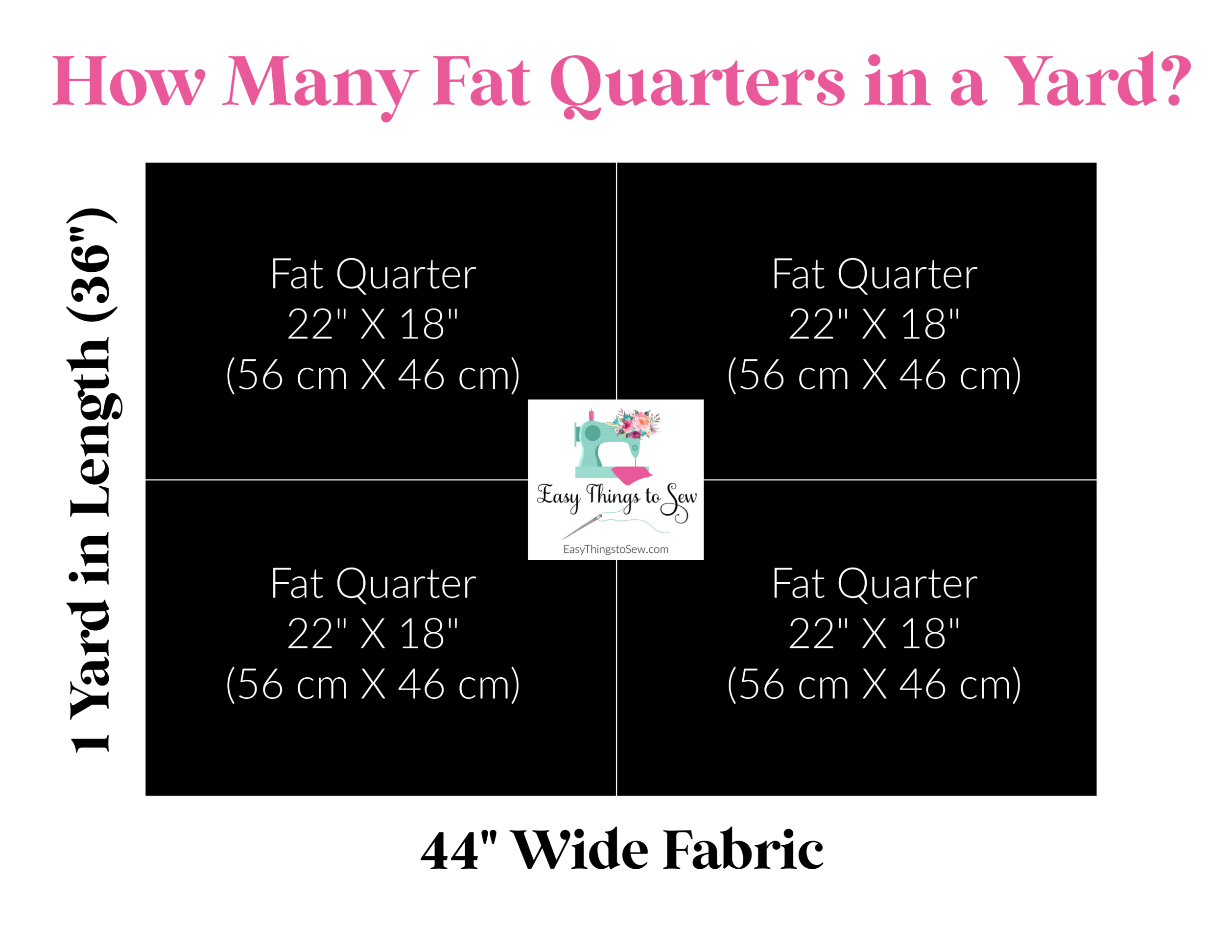
Image Source: easythingstosew.com
What Exactly is a Fat Quarter?
A fat quarter is a specific cut of fabric. Unlike a traditional “long quarter” which is a quarter of a yard cut lengthwise (resulting in a narrow strip typically 9 inches by 44 inches), a fat quarter is a quarter of a yard cut widthwise. This means a fat quarter measures approximately 18 inches by 22 inches. This wider width makes it much more usable for various fabric projects compared to a long quarter.
The dimensions are key. When you purchase fabric by the yard, you’re buying a length of fabric that is typically 44 to 45 inches wide. Fabric yardage conversion is a simple concept once you grasp the basic measurements. One yard equals 36 inches.
The Math Behind the Fat Quarter
To get four fat quarters from one yard of fabric, the cutting process is quite straightforward. Imagine a yard of fabric laid out flat. It’s 36 inches long and, let’s say, 44 inches wide.
- First Cut: You cut the yard of fabric in half lengthwise. This gives you two pieces, each measuring 18 inches by 44 inches.
- Second Cut: You then take each of these 18-inch by 44-inch pieces and cut them in half across the width.
This results in four pieces, each measuring 18 inches by 22 inches – the standard fat quarter dimensions. This method maximizes the usable fabric and creates pieces that are more versatile for sewing yardage than if you were to cut long quarters.
Visualizing the Cut
Think of it like this:
- One Yard of Fabric: 36 inches (length) x 44 inches (width)
- Cut in Half Lengthwise: Two pieces of 18 inches (length) x 44 inches (width)
- Cut Each Piece in Half Widthwise: Four pieces of 18 inches (length) x 22 inches (width)
This is how you achieve those coveted fat quarters from your fabric by the yard purchase.
Why Are Fat Quarters So Popular in Quilting?
Fat quarters are a staple in the quilting world for several compelling reasons:
- Versatility: The 18×22 inch dimensions are incredibly versatile. They are large enough to cut substantial quilt blocks, yet small enough to be manageable for intricate piecing. Many popular quilt patterns are designed specifically with fat quarters in mind.
- Variety in Bundles: Fat quarter bundles are a fantastic way for quilters to acquire a curated selection of coordinating fabrics without having to buy a full yard of each. A fat quarter bundle allows quilters to experiment with different prints and colors, which is essential for creating visually appealing quilts. This is especially true when building a stash for future fabric projects.
- Reduced Waste: For smaller fabric projects, buying a full yard of fabric for just a few small pieces can lead to significant waste. Fat quarters offer a more economical and efficient way to get the fabric you need.
- Stash Building: For quilters who enjoy making a variety of projects, collecting fat quarters is an excellent way to build a diverse fabric stash. It’s easier to store and organize fat quarters than large cuts of fabric.
- Accessibility: Many independent fabric stores and online retailers offer a wide selection of fat quarters, making them readily accessible for quilters of all levels.
Comprehending Fabric Measurements and Conversions
When you’re working with sewing yardage or planning fabric projects, having a solid grasp of fabric measurements is crucial. Here’s a quick breakdown of common fabric yardage conversion and measurements:
- 1 Yard = 36 Inches
- 1 Yard = 3 Feet
- 1 Yard = 0.9144 Meters
- 1 Foot = 12 Inches
When you buy fabric by the yard, you are purchasing a continuous length of fabric at its bolt width. This width can vary, but for quilting cotton, it’s typically around 44-45 inches. Sometimes, you might find wider fabrics, such as 60-inch or 108-inch wide backing fabrics, which are important to note for larger projects.
Cutting Fat Quarters: A Deeper Dive
The process of cutting fat quarters from a larger piece of fabric is a foundational skill. Let’s elaborate on how to cut fat quarters:
- Start with Your Yardage: Lay your fabric flat and ensure it’s smooth and free of wrinkles. If you’ve purchased fabric by the yard, you’ll have a length of fabric.
- Measure and Mark: Measure 36 inches from one end of the fabric. This marks your first yard. Use a rotary cutter and ruler for precise cuts.
- Cut the First Length: Cut the fabric across its entire width at the 36-inch mark. You now have one yard of fabric.
- Prepare for Fat Quarter Cuts: Lay this 36-inch by 44-inch piece flat.
- Divide the Width: Measure the width of your fabric. For standard quilting cotton, this is usually around 44 inches. You need to cut this in half. Measure 22 inches across the width and mark this point.
- First Fold and Cut: Fold the fabric so the 44-inch edges meet. This creates a piece that is 36 inches long and 22 inches wide, but it’s now doubled. Place your ruler along the fold, ensuring it’s perfectly straight. Cut through both layers at the 22-inch mark.
- Unfold: You will now have two pieces, each measuring 18 inches by 22 inches. These are your first two fat quarters.
- Repeat for the Remaining Half: Take the remaining half of your original yardage (which is also 36 inches by 22 inches, but folded) and repeat steps 5-7. This will give you two more fat quarters.
This method ensures you get four equal and usable fat quarters from each yard of fabric. The precise fat quarter dimensions are crucial for pattern accuracy.
Fabric Projects That Shine with Fat Quarters
The utility of fat quarters extends to a vast array of fabric projects:
- Quilts: From simple patchwork quilts to more complex designs, fat quarters are ideal for creating a scrappy look or for patterns that call for many different fabrics.
- Pillow Covers: A few fat quarters can easily become the front and back of a decorative pillow.
- Tote Bags and Purses: Small to medium-sized bags can be made using a combination of fat quarters.
- Placemats and Coasters: These smaller home décor items are perfect for using up smaller pieces of fat quarters.
- Fabric Baskets: Sturdy fabric baskets can be made by combining multiple fat quarters for a colorful exterior.
- Small Garments: Think children’s dresses, skirts, or tops where you need smaller fabric panels.
- Patchwork Projects: Any project that involves piecing together small fabric scraps, like a memory quilt or a colorful patchwork skirt.
The flexibility of fat quarters means you can combine them in countless ways, allowing for immense creativity in your fabric projects.
Beyond the Yard: Other Fabric Measurements
While we’re focused on fabric yardage conversion to fat quarters, it’s helpful to know other common fabric measurements:
- Bolt Width: The standard width of fabric as it comes off the bolt. Usually 44-45 inches for quilting cotton.
- Yard: 36 inches of length.
- Half Yard: 18 inches of length (cut across the full width of the bolt).
- Quarter Yard (Long Quarter): 9 inches of length (cut across the full width of the bolt). This results in a piece of fabric that is 9 inches by 44 inches.
- Fat Eighth: Half the dimensions of a fat quarter, typically 9 inches by 22 inches.
Purchasing Fabric: What to Consider
When you’re buying fabric by the yard or opting for a fat quarter bundle, consider these points:
- Fabric Type: Ensure the fabric is suitable for your project. Quilting cotton is common, but other fabrics like linen, canvas, or knits have different properties and cutting requirements.
- Fabric Width: Always check the width of the fabric. This affects how many fat quarters you can get from a given length.
- Pre-washing: It’s generally recommended to pre-wash your fabric before cutting, especially quilting cotton. This helps to pre-shrink the fabric and remove any excess dyes. Be aware that pre-washing can slightly alter the fabric measurements.
- Thread Count/Weave: For quilting, a tight weave and high thread count are desirable for durability and ease of cutting.
Working with a Fat Quarter Bundle
A fat quarter bundle is a curated collection of coordinating fat quarters, often sold by fabric designers or manufacturers. These bundles are a quilter’s delight because they:
- Offer Cohesion: Fabrics within a bundle are typically designed to work well together, saving you the guesswork of color and print coordination.
- Introduce New Collections: Bundles are a great way to get a taste of a new fabric line.
- Convenience: They are ready to go for a specific project, eliminating the need to cut your own fat quarters if you’re just starting out or want a quick solution.
When you buy a fat quarter bundle, you’re getting a set number of fat quarters (e.g., 20 fat quarters) that represent a specific fabric collection. This is a fantastic way to build your stash with fabrics that are already complementary.
Maximizing Your Fabric Yardage
Efficiently using your fabric yardage is key to reducing waste and getting the most out of your purchases. Beyond cutting fat quarters, consider:
- Strategic Cutting for Projects: For specific quilt blocks or patterns, you might need to cut fabric in different dimensions. Always consult your pattern for precise cutting instructions.
- Using Scraps: Even the smallest fabric scraps can be used for very small projects like doll clothes, appliqué details, or even batting for mini quilts.
- Planning Ahead: If you know you’ll need a specific amount of fabric for a large project, buying fabric by the yard is more economical than piecing together multiple smaller cuts.
Common Misconceptions About Fabric Cuts
- “A yard is always 44 inches wide.” This is not true. While 44-45 inches is common for quilting cotton, other fabrics have different widths. Always check the bolt.
- “All quarters are the same.” As discussed, a long quarter (9″x44″) is different from a fat quarter (18″x22″). The difference in width is significant for many fabric projects.
- “I can get more than 4 fat quarters from a yard.” Unless you have exceptionally wide fabric (wider than the standard 44-45 inches) and are willing to accept smaller dimensions, four fat quarters is the standard yield from one yard of fabric.
Frequently Asked Questions (FAQ)
Q: Can I get fat quarters from fabric that isn’t quilting cotton?
A: Yes, you can cut fat quarters from many types of fabric, like linen, chambray, or even some lighter weight denim. However, the resulting dimensions might differ slightly if the fabric width is not standard. Always check the fabric width before you start cutting.
Q: What if my fabric is wider or narrower than 44 inches?
A: If your fabric is wider (e.g., 60 inches), you can cut more fat quarters from a yard. For a 60-inch wide fabric, a yard (36 inches long) would give you 60 inches / 22 inches per quarter = 2.72. So, you’d get two full fat quarters and a bit left over. If it’s narrower, you’ll get fewer. The math remains the same: divide the width by 22 inches to see how many 22-inch cuts you can make from the width.
Q: Is it always best to buy fat quarters?
A: It depends on your project. For small projects or if you want a variety of fabrics, fat quarters or fat quarter bundles are excellent. For larger projects that require a lot of a specific fabric, buying fabric by the yard is usually more cost-effective.
Q: How much fabric do I need for a quilt?
A: The amount of quilting fabric yardage needed for a quilt varies greatly depending on the size of the quilt, the size of the blocks, and the complexity of the pattern. Always refer to your specific quilt pattern for accurate yardage requirements. Many patterns will also suggest fabric cuts, such as how many fat quarters are needed.
Q: What’s the difference between a fat quarter and a layer cake square?
A: A fat quarter is 18×22 inches. A “Layer Cake” is a pre-cut bundle of 10-inch squares, typically 42 squares per bundle. They are different pre-cut formats for quilting and other fabric projects.
By understanding basic fabric measurements and fabric yardage conversion, you can confidently plan your sewing projects, make informed purchasing decisions, and enjoy the creative process with every cut of fabric. Happy sewing!