
Wondering how to keep raccoons out of your yard safely? You can deter raccoons using natural repellents, making your yard less attractive to them, and employing humane traps for removal. This comprehensive guide will explore effective strategies for prevention and management.
Raccoons, with their intelligent eyes, masked faces, and nimble paws, are a common sight in many suburban and urban environments. While their adaptability is impressive, their presence in our yards can often lead to unwanted disruptions. From overturned trash cans to raided vegetable gardens and damaged bird feeders, these nocturnal visitors can cause a significant nuisance. The key to coexisting peacefully, or at least minimizing conflict, lies in effective prevention and humane removal when necessary. This guide delves into a variety of methods, focusing on natural repellents, physical barriers, and humane traps, to help you reclaim your yard without harming these fascinating creatures. We’ll cover why raccoons are attracted to your yard, what methods work, and how to implement them safely and effectively.
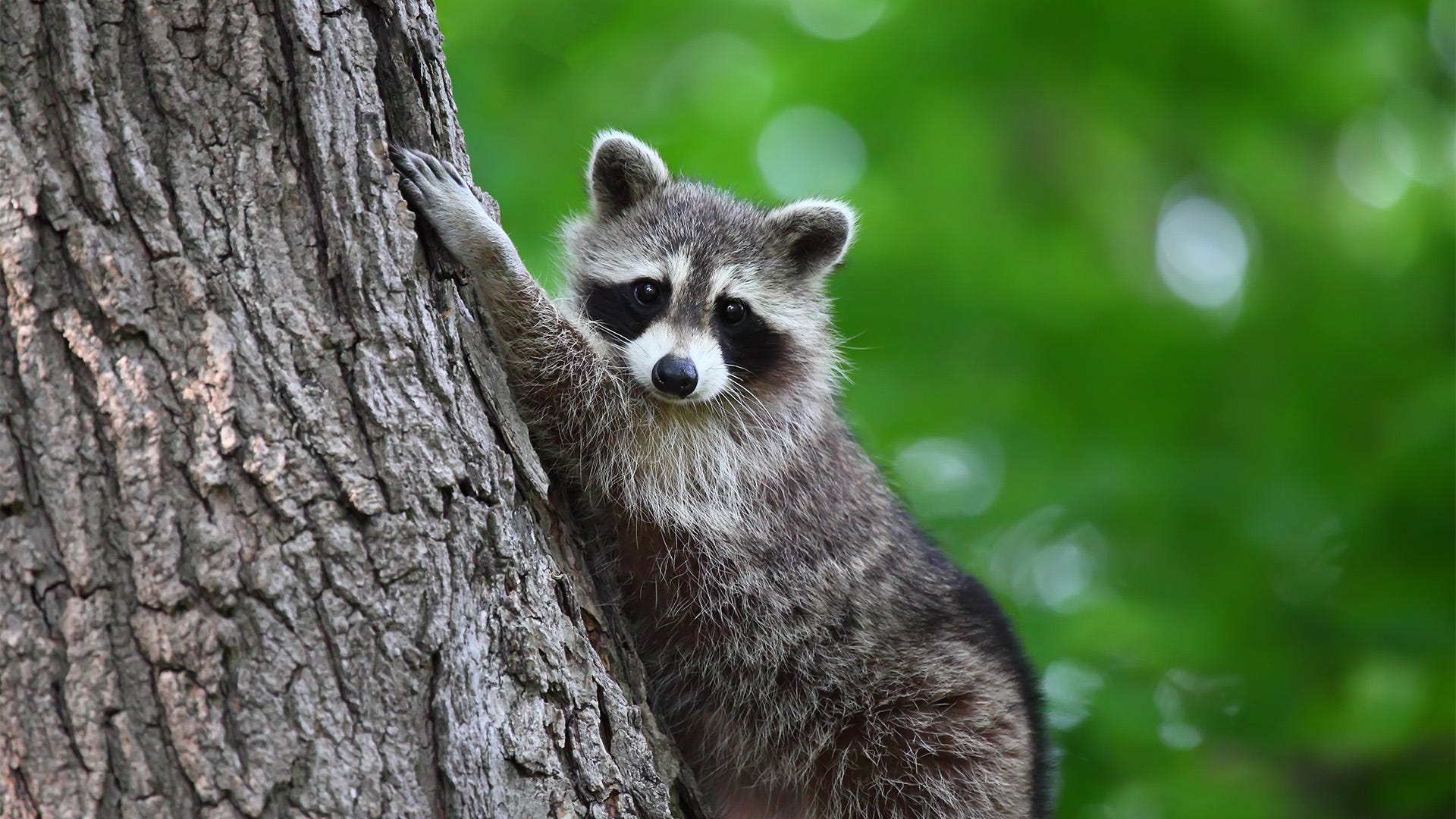
Image Source: www.havahart.com
Why Raccoons Visit Your Yard
Before we explore solutions, it’s helpful to understand what draws raccoons to your property in the first place. Raccoons are opportunistic omnivores, meaning they eat a wide variety of foods, and their primary motivations are food, water, and shelter.
Food Sources
Raccoons have a keen sense of smell and a diverse palate. Your yard might be a buffet if it offers:
- Trash Cans: Unsecured garbage is a treasure trove for raccoons. The smells emanating from them are irresistible.
- Pet Food: Leftover pet food, especially in bowls left outdoors overnight, is an easy meal.
- Gardens: Ripe fruits, vegetables, and even ornamental plants can be a tasty treat. Berries, corn, tomatoes, and melons are particular favorites.
- Bird Feeders: Seed, suet, and the seeds that fall to the ground are a reliable food source.
- Compost Bins: Unsecured compost bins can contain a wealth of appealing food scraps.
- Water Sources: Puddles, bird baths, or even leaky outdoor faucets can attract raccoons looking for a drink.
Shelter and Nesting Sites
Raccoons are also looking for safe places to sleep, raise their young, and escape the elements. They are resourceful nesters and can utilize:
- Sheds and Garages: Open doors or small entry points can allow access to these sheltered spaces.
- Attics and Crawl Spaces: Gaps in roofs, vents, or foundations can provide access to cozy and secure nesting areas.
- Woodpiles and Debris: Piles of wood, leaves, or junk can offer shelter and a place to den.
- Under Decks and Porches: These areas provide protection from weather and predators.
Natural Raccoon Repellents: Deterring Visitors with Scents and Sounds
One of the most effective and humane ways to keep raccoons out of your yard is by using natural repellents. These methods rely on scents or sounds that raccoons find unpleasant, encouraging them to seek out other, less offensive locations.
Scent-Based Repellents
Raccoons have a strong sense of smell. Utilizing strong, pungent odors can effectively deter them.
1. Ammonia-Soaked Rags
Ammonia’s strong smell mimics that of urine from predators, which raccoons instinctively avoid.
- How to Use: Soak old rags or cotton balls in household ammonia. Place these soaked rags in areas where raccoons frequent, such as near trash cans, garden entrances, or potential den sites.
- Frequency: Re-soak the rags every few days or after rain, as the scent dissipates.
- Safety: Ensure ammonia is kept away from children and pets. Use gloves when handling.
2. Cayenne Pepper and Hot Sauce
The capsaicin in chili peppers is a potent irritant to a raccoon’s senses, particularly their eyes and nose.
- How to Use: Sprinkle cayenne pepper generously around garden beds, trash cans, or other areas you want to protect. You can also mix hot sauce with water and spray it on plants or surfaces.
- Frequency: Reapply after rain or every few days.
- Safety: Be cautious not to inhale the pepper or spray it directly into eyes.
3. Castor Oil and Peppermint Oil
These strong essential oils can be very effective. Castor oil acts as a stomach irritant if ingested, while peppermint oil is simply disliked by many animals.
- How to Use: Mix castor oil with water and a small amount of mild liquid soap to help it emulsify. Spray this mixture around the perimeter of your yard or on plants. For peppermint oil, soak cotton balls and place them strategically.
- Frequency: Reapply as needed, especially after watering or rain.
- Safety: Peppermint oil can be toxic to pets in large quantities, so use it judiciously and in areas they cannot easily access.
4. Garlic Spray
Garlic has a pungent aroma that many animals find off-putting.
- How to Use: Blend several cloves of garlic with water, strain the mixture, and add a tablespoon of cayenne pepper and a drop of liquid dish soap. Spray this solution around your yard.
- Frequency: Reapply weekly or after rain.
5. Epsom Salt
While not a scent repellent in the traditional sense, some believe the taste or texture of Epsom salt can deter raccoons from entering certain areas.
- How to Use: Sprinkle Epsom salt around the base of plants or along the borders of your garden.
- Frequency: Reapply after rain.
Sound-Based Repellents
Raccoons can be startled by sudden or persistent noises. Ultrasonic devices are designed to emit high-frequency sounds that are unpleasant to them but often inaudible to humans and pets.
1. Ultrasonic Devices
These electronic devices emit sound waves that are irritating to raccoons and other pests.
- How to Use: Place the devices in your yard, ensuring they are pointed towards areas where raccoons are active.
- Effectiveness: Results can vary. Some raccoons may become accustomed to the sound over time. It’s important to note that scientific evidence on the long-term effectiveness of ultrasonic devices is mixed.
2. Radios and Other Noise Makers
Leaving a radio on a talk station overnight in your yard can create enough auditory disruption to discourage raccoons from settling in.
- How to Use: Place a battery-powered radio near areas raccoons frequent.
- Frequency: Keep it on all night.
Physical Barriers: Fortifying Your Yard
Creating physical barriers is a highly effective and safe way to prevent raccoons from accessing specific areas of your yard. This approach is particularly useful for protecting gardens, trash cans, and potential den sites.
Secure Trash Cans
This is often the first line of defense. Raccoons are notorious for their ability to pry open even seemingly secure bins.
- What to Do:
- Lockable Lids: Invest in trash cans with secure, locking lids.
- Bungee Cords or Straps: Use bungee cords or ratchet straps to tightly secure the lids of your existing trash cans.
- Heavy-Duty Bins: Opt for metal trash cans, which are more difficult for raccoons to chew through.
- Store Indoors: If possible, store trash cans in a locked shed or garage until trash collection day.
- Cleanliness: Rinse out trash cans regularly to remove food residue and odors.
Fencing Solutions
Proper fencing can be a significant deterrent. However, raccoons are agile climbers and diggers, so the fence needs to be robust and well-designed.
- Height: The fence should be at least 3-4 feet tall.
- Material: Sturdy wire mesh or chain-link fencing is recommended.
- Overhang: Raccoons are climbers. To prevent them from easily scaling the fence, you can create an inward-facing overhang at the top. This can be made from chicken wire or hardware cloth, angled outwards at about 45 degrees.
- Burrowing Prevention: Raccoons can dig. Bury the bottom of the fence at least 12 inches deep, or create an L-shaped footer by extending the wire mesh outwards along the ground (facing away from your yard) and securing it. This makes it harder for them to dig under.
Table: Fencing Recommendations for Raccoon Prevention
| Feature | Recommendation | Purpose |
|---|---|---|
| Height | 3-4 feet | Discourage jumping over |
| Material | Sturdy wire mesh, chain-link, or hardware cloth | Durability, prevents chewing through |
| Top | Inward-facing overhang (45-degree angle) | Prevents climbing over |
| Bottom | Buried 12 inches deep or L-shaped footer | Prevents digging under |
| Gate Security | Secure latches, no gaps | Prevents entry through gates |
Protecting Gardens
Gardens are prime targets for raccoons. Barriers are essential for protecting your produce.
- Row Covers: Use fine-mesh row covers to protect individual plants or entire beds. Ensure they are secured tightly to the ground to prevent raccoons from getting underneath.
- Chicken Wire Cages: Construct cages from chicken wire or hardware cloth to place over vulnerable plants, especially those bearing fruit or vegetables.
- Raised Beds: While not a complete solution, raised garden beds can sometimes make access slightly more difficult.
Bird Feeder Protection
Bird feeders are a magnet for raccoons.
- Baffles: Install baffles above and below bird feeders. These are smooth, dome-shaped devices that raccoons cannot grip or climb.
- Squirrel-Proof Feeders: Many feeders designed to deter squirrels also work for raccoons.
- Placement: Hang feeders at least 10 feet away from trees, fences, or buildings that raccoons could use as a launchpad.
- Clean Up: Regularly clean up spilled seed around the base of feeders.
Eliminating Water Sources
If you have outdoor water features, ensure they aren’t acting as a convenient water source.
- Drain or Cover: Consider draining bird baths at night or covering them.
- Fix Leaks: Repair any leaky outdoor faucets or hoses.
Humane Trapping and Removal: When Prevention Isn’t Enough
If despite your best efforts, raccoons continue to be a problem, humane traps can be a tool for removal. It is crucial to use these methods responsibly and ethically.
Types of Humane Traps
Humane traps are designed to capture an animal without causing injury. They are typically live-capture cage traps.
- Cage Traps: These are the most common type. They are made of metal mesh and feature a spring-loaded door that closes when the animal steps on a trigger plate inside.
- Baiting the Trap: Effective baits include marshmallows, peanut butter, canned fish, or fruits. Place the bait at the very back of the trap, beyond the trigger plate, to ensure the raccoon fully enters.
The Trapping Process
- Placement: Place the trap in an area where you frequently see raccoons or evidence of their activity.
- Timing: Raccoons are most active at dusk and dawn. Check the trap frequently, especially in the morning, to avoid leaving a captured animal exposed to the elements or predators for extended periods.
- Baiting: Use tempting baits placed at the rear of the trap to encourage complete entry.
- Securing: Once a raccoon is caught, cover the trap with a blanket or tarp. This helps to calm the animal, as they are less likely to struggle if they feel hidden.
Relocation and Release: What to Do with a Captured Raccoon
Relocation is a complex issue with varying laws and ethical considerations.
- Check Local Regulations: Before trapping and relocating, it is imperative to check your local and state wildlife laws. Many jurisdictions have specific regulations regarding trapping and relocating wildlife. Some may even prohibit it entirely due to concerns about spreading disease or introducing invasive species.
- Humane Release: If relocation is permitted and you choose to do so, release the raccoon in a suitable habitat far from your home and other residential areas. Look for areas with natural food sources and water, such as wooded areas or nature preserves. However, it’s important to note that relocating raccoons can be stressful for the animal and may lead to its demise if it cannot find suitable territory or food in the new location.
- Local Wildlife Services: In many cases, the most humane and effective approach is to contact your local animal control or a professional wildlife removal service. They have the expertise and resources to handle the situation safely and in accordance with regulations. They can also advise on permanent solutions for your property.
Important Considerations for Trapping
- Non-Target Species: Be aware that traps can catch other animals besides raccoons. Check traps frequently to minimize the risk of unintended captures.
- Habituation: Raccoons are intelligent. If a trap is set incorrectly or the bait is not appealing, they may learn to avoid it.
- Responsibility: Trapping is a serious undertaking. Ensure you are prepared to handle a captured animal responsibly and in a humane manner.
Creating a Less Hospitable Environment: Long-Term Prevention Strategies
Beyond immediate deterrents and removal, adopting long-term strategies to make your yard less appealing to raccoons is key to successful prevention.
Remove Food Attractants
This is arguably the most critical step.
- Secure All Food Sources: Ensure trash cans are always secured, pet food is brought inside after meals, and bird feeders are managed carefully.
- Clean Up Fallen Fruit and Nuts: Regularly clear away any fallen fruit from trees or nuts from the ground.
- Manage Compost: Use a raccoon-proof compost bin or avoid composting items that strongly attract them, like meat scraps.
Eliminate Shelter Opportunities
Raccoons look for safe places to hide and den.
- Seal Entry Points: Inspect your home, shed, and garage for any gaps or holes in the foundation, walls, or roof. Seal these with sturdy materials like hardware cloth or sheet metal.
- Clear Debris: Remove piles of wood, leaves, rocks, or junk from your yard, as these can provide excellent shelter.
- Secure Outbuildings: Ensure sheds and garages are kept closed and in good repair.
Manage Water Sources
- Bird Baths: Clean and empty bird baths regularly.
- Puddles: Fill in low-lying areas where water tends to collect after rain.
Consider Professional Help
If you are struggling to manage a raccoon problem, don’t hesitate to consult with professionals.
- Wildlife Removal Specialists: These experts can assess your situation, recommend the best course of action, and provide humane trapping and removal services.
- Pest Control Companies: Some pest control companies offer wildlife management services.
Frequently Asked Questions (FAQ)
Q1: Can I use lights and sprinklers to deter raccoons?
A1: Yes, motion-activated lights and sprinklers can be effective deterrents. Sudden light or a spray of water can startle raccoons and make them avoid the area. Combine these with other natural repellents for better results.
Q2: Are there any commercial repellents that work?
A2: Yes, there are commercial repellent sprays and granules available that contain ingredients like predator urine, essential oils, or capsaicin. Always read and follow the product instructions carefully, and ensure they are labeled as safe for use around pets and children if applicable.
Q3: How can I protect my vegetable garden from raccoons?
A3: Use fencing or barriers like chicken wire cages around your garden. Planting natural repellent plants like marigolds or mint around the perimeter might also help deter them. Keep the garden free of fallen produce.
Q4: Is it legal to trap and relocate raccoons?
A4: The legality of trapping and relocating raccoons varies significantly by location. Always check your local and state wildlife regulations before attempting to trap or relocate any animal. Some areas prohibit relocation due to concerns about disease transmission or the animal’s survival.
Q5: What if a raccoon is trapped inside my garage or shed?
A5: If a raccoon is trapped inside a structure, open the door or a window to the outside and remove any potential food sources. Block off any other entry points to the rest of your house and keep pets and people away. The raccoon will likely leave on its own when it feels safe. If it doesn’t, or if it appears injured or sick, contact animal control or a wildlife professional.
Q6: How do I know if a raccoon has taken up residence in my attic?
A6: Signs include scratching, scuttling, or thumping noises, especially at night. You may also notice droppings or nesting materials. It’s important to address this quickly as raccoons can cause damage to insulation and wiring. Again, professional removal is often the safest option.
By employing a combination of natural repellents, robust fencing and barriers, and understanding when and how to use humane traps for removal, you can effectively manage raccoon activity in your yard. The goal is always prevention and maintaining a safe, harmonious coexistence with wildlife whenever possible.