
So, how big is half a yard of fabric? Half a yard of fabric is equivalent to 18 inches or 0.4572 meters in length. This is a fundamental piece of information for anyone working with fabric, whether you’re a seasoned seamstress or just starting your creative journey.
Working with fabric often involves understanding specific measurements and how they translate into usable pieces for your projects. Fabric comes in various widths, but the length is usually measured in yards. Knowing how to convert these measurements, especially for smaller portions like half yard fabric measurements, is crucial. This guide will help you navigate the world of fabric yardage conversion for fabric and clarify the size of half a yard.
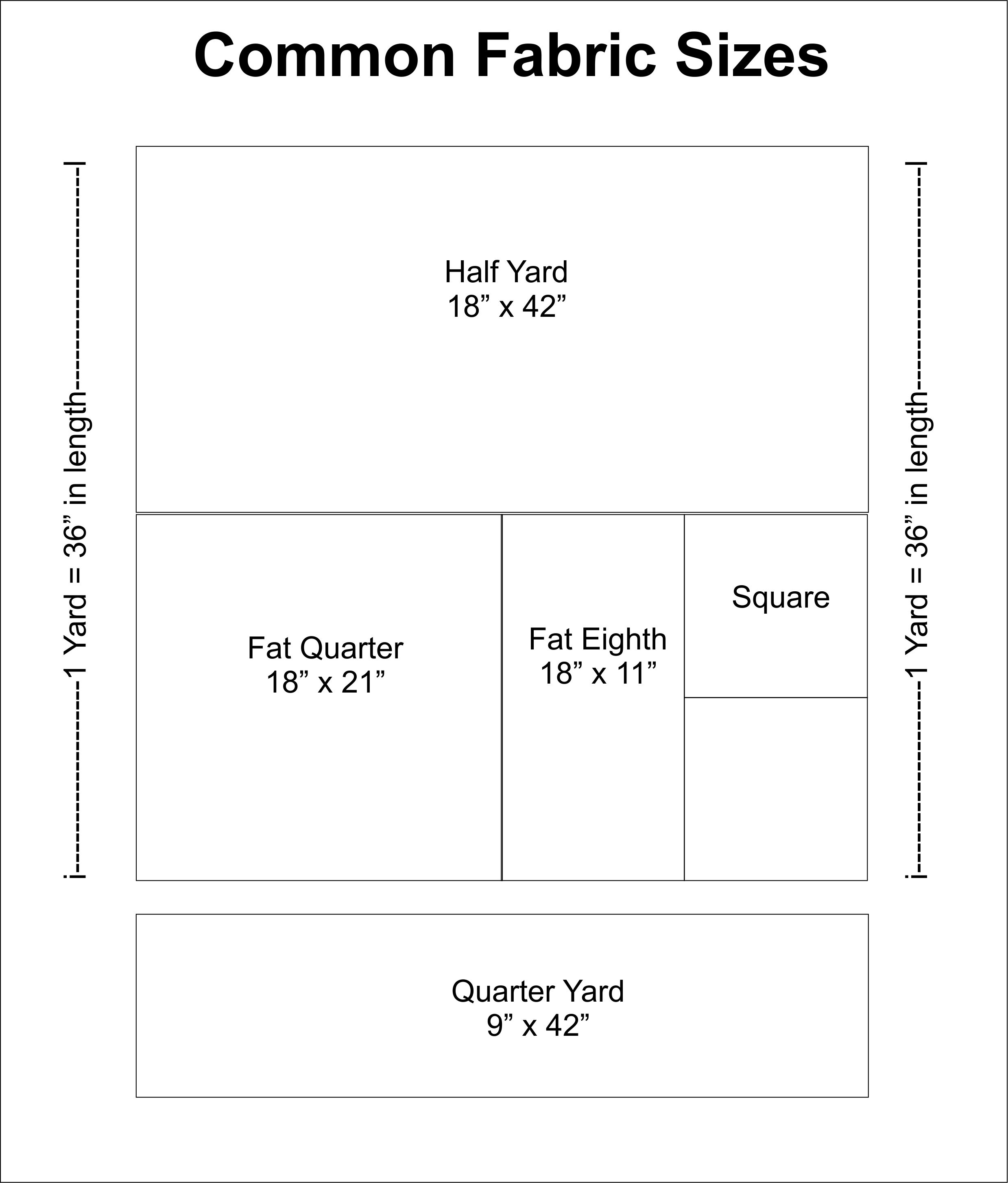
Image Source: snappy-baby.com
Deciphering Fabric Measurements: Yards, Inches, and More
The United States primarily uses yards as the standard unit for selling fabric. However, many patterns and instructions might refer to inches or even meters. Having a solid grasp of these different fabric units of measure ensures you buy the correct amount for your sewing projects.
The Humble Yard: A Fabric Foundation
A yard is the primary unit of length in the imperial system. When you buy fabric, it’s typically sold by the yard from a bolt.
- One Yard: This measures 36 inches in length.
Converting Yards to Inches: The Key Relationship
The most common conversion you’ll need is from yards to inches. This is straightforward:
- 1 yard = 36 inches
This simple conversion is the foundation for all other yardage calculations.
What About Meters? A Global Perspective
While the US uses yards, many other parts of the world use the metric system, with meters being the standard.
- 1 yard is approximately 0.9144 meters.
- Therefore, half a yard is approximately 0.4572 meters.
Understanding both systems can be helpful if you’re following international patterns or using fabric sourced from abroad.
The Specifics of Half A Yard of Fabric
Now, let’s focus on our main question: how big is half a yard of fabric?
As established, a full yard is 36 inches. Therefore, half a yard is simply half of that measurement.
The Exact Dimensions of Half a Yard
- Inches: 36 inches / 2 = 18 inches
- Feet: 18 inches / 12 inches/foot = 1.5 feet
- Meters: 0.9144 meters / 2 = 0.4572 meters
So, a half yard fabric size is a piece of fabric that is 18 inches long.
Fabric Width: The Other Crucial Dimension
It’s vital to remember that fabric is sold from a bolt, meaning it has a consistent width. This width varies depending on the type of fabric and its intended use. Common fabric widths include:
- 44/45 inches: This is a very standard width for quilting cotton and many apparel fabrics.
- 54 inches: Often found in home decor fabrics, upholstery, and some apparel.
- 60 inches: Common for knits, drapery, and broader home decor items.
When you purchase half yard fabric measurements, you are buying a piece that is 18 inches long and the full width of the bolt (e.g., 44/45 inches wide). This is why fabric yardage is often described as “width of fabric” (WOF) by a certain length.
Visualizing Half a Yard
Imagine a standard piece of paper, like an 8.5 x 11-inch sheet. Half a yard of fabric is longer than that and significantly wider. It’s roughly the length of a standard ruler.
- Length: 18 inches (about the length of a ruler)
- Width: Typically 44-45 inches (wider than two pieces of paper placed side-by-side lengthwise)
Why Understanding Fabric Yardage Matters for Sewists
Accurate sewing fabric yardage calculations are essential for any sewing project. Buying too much fabric can be wasteful, while buying too little means you might not be able to complete your project or might have to piece together smaller scraps, which isn’t always ideal.
Planning Your Projects: The Role of Yardage
Before you even start cutting, you need to plan.
- Pattern Requirements: Sewing patterns typically tell you how much fabric you need for different sizes and fabric widths. They often list requirements in yards.
- Fabric Width: Patterns are usually designed for a specific fabric width. If you choose a fabric with a different width, your yardage needs may change.
- Cutting Layout: The way you lay out your pattern pieces on the fabric (the “cutting layout” or “fabric layout diagram”) significantly impacts how much fabric you’ll use. A well-planned layout can save you fabric.
Using a Fabric Yardage Calculator
For complex projects or when you’re unsure, a fabric yardage calculator can be an invaluable tool. These online calculators or charts help you determine the precise amount of fabric needed based on pattern piece sizes and fabric width. They often account for directional prints and nap, which require careful placement.
Common Fabric Yardage Scenarios
Let’s look at some common situations where you might need specific amounts of fabric.
Buying Fabric by the Yard: The Standard Purchase
When you go to a fabric store, you’ll typically say, “I’d like two yards of this fabric.” This means you’ll get a piece that is 72 inches long (2 yards x 36 inches/yard) and the full width of the bolt.
Half Yard Bundles and Charm Packs
Many quilting stores sell pre-cut fabrics.
- Half Yard Bundles: These are convenient collections of various fabrics, each cut to half a yard. You get 18 inches of length, with each piece being the full bolt width. These are popular for quilters who want variety.
- Charm Packs: These are typically packs of pre-cut squares, often 5 inches x 5 inches. While not a direct half yard fabric size, a collection of these squares can add up.
Fat Quarters: A Related Measurement
A “fat quarter” is another common pre-cut fabric measurement, especially in quilting.
- What is a Fat Quarter? It’s a quarter of a yard of fabric that is cut differently than a standard “long quarter.” Instead of cutting a 9-inch strip from a yard (which would be 9 inches x WOF), a fat quarter is cut by taking a full yard (36 inches x WOF), cutting it in half lengthwise, and then cutting those two long pieces in half widthwise. This results in a piece that is approximately 18 inches x 22 inches.
- Why is it called “fat”? It’s considered “fatter” because it has a wider width compared to a traditional “long quarter” (which would be 9 inches x WOF).
- Half Yard vs. Fat Quarter: A half yard is 18 inches x WOF. A fat quarter is roughly 18 inches x 22 inches. The key difference is the width. If your WOF is 44 inches, a half yard gives you a piece that is 18 inches x 44 inches. A fat quarter is a more manageable square-ish piece.
Cutting Fabric in Half: Practical Considerations
Sometimes, you might have a larger piece of fabric and need to cut it down. Understanding cutting fabric in half is a useful skill.
Cutting a Full Yard in Half
If you have a 1-yard piece of fabric (36 inches long x WOF), cutting fabric in half lengthwise would give you two pieces, each measuring 18 inches long x WOF. This is how a half yard is typically understood when purchasing from a bolt.
Cutting Widthwise or Lengthwise?
- Lengthwise Cut: If you have a 1-yard piece and cut it in half lengthwise, you get two pieces that are 18 inches long by the full width of the fabric. This is the most common way to get a “half yard” from a larger bolt.
- Widthwise Cut: If you have a 1-yard piece and cut it in half widthwise, the resulting pieces will be 36 inches long, but half the width of the original bolt. For example, if the WOF was 44 inches, you’d get two pieces that are 36 inches x 22 inches. This is less common when someone asks for a “half yard” unless specified.
Precision is Key
When cutting fabric in half, ensure you measure accurately. Using a rotary cutter and a self-healing mat with a grid, along with a quilting ruler, will give you the most precise results.
Practical Uses for Half A Yard of Fabric
A half yard fabric size is surprisingly versatile and can be used for many different projects, from small accessories to elements within larger garments or quilts.
Quilting Projects
- Quilt Blocks: Many quilt blocks can be made from smaller pieces, and half yards are excellent for providing a variety of fabrics for block construction.
- Small Quilts or Table Runners: A few half yards can be enough to piece together a small lap quilt or a decorative table runner.
- Binding: Sometimes, you might need half a yard for binding a quilt, depending on its size.
Apparel and Accessories
- Pillow Covers: A standard decorative pillow cover often requires less than half a yard.
- Tote Bags: Many simple tote bag patterns can be made from a half yard, especially if they don’t have complex linings or multiple pockets.
- Scarves: A lightweight fabric can be fashioned into a simple scarf from a half yard.
- Aprons: Simple aprons, especially for children or shorter styles for adults, can often be made from 1/2 yard.
- Cuffbands and Collars: If you’re making a garment and only need a small amount for specific details like cuffs, collars, or yokes, half a yard is usually more than enough.
- Baby Clothes: Smaller garments like baby bonnets, bibs, or even simple baby dresses can sometimes be made from a half yard, especially if you’re strategic with your cutting.
Home Decor
- Coasters and Pot Holders: These small items are perfect for using up scraps, but if you’re starting from scratch, half a yard can yield many of them.
- Fabric Baskets: Small fabric storage baskets are a popular project that can be made with half a yard.
- Placemats: Similar to table runners, placemats are often manageable with half a yard of fabric.
Tips for Maximizing Your Fabric Usage
To get the most out of your fabric, especially when working with smaller amounts like half yards, good planning and smart cutting are essential.
Pre-washing Your Fabric
Before cutting, it’s generally recommended to pre-wash your fabric. This pre-shrinks it, so your finished project doesn’t unexpectedly shrink later. Remember that pre-washing can slightly alter the fabric width and length.
Reading Your Pattern Carefully
Always read your pattern thoroughly. It will tell you the recommended fabric width. If your chosen fabric is wider or narrower than the pattern suggests, you may need to adjust your sewing fabric yardage calculations.
Strategic Cutting for Directional Prints and Nap
- Directional Prints: If your fabric has a print that only looks right when facing a specific direction (like animals facing forward or text reading upright), you must pay close attention to the grainline and the direction of your pattern pieces. This can sometimes require more fabric than a non-directional print.
- Nap: Some fabrics, like velvet or corduroy, have a “nap” – a pile that lies in one direction. All pattern pieces must be cut facing the same direction to ensure a uniform appearance. This often means laying out pieces more carefully and may increase your fabric needs.
Using a Fabric Measurement Guide
Keeping a handy fabric measurement guide can be useful for quick reference. This might be a small printed chart or even a digital note on your phone with common conversions.
Tools for Accurate Fabric Measurement and Cutting
Having the right tools makes a significant difference when working with fabric.
Essential Measuring Tools
- Measuring Tape: For general measurements.
- Seam Gauge: A small, retractable tape measure useful for small measurements and checking seam allowances.
- Quilting Ruler: A clear acrylic ruler with grid lines is invaluable for precise cutting with a rotary cutter. Look for rulers that clearly mark inches and have diagonal lines.
Cutting Tools
- Rotary Cutter and Mat: The best combination for accurate and fast cutting, especially for straight lines.
- Fabric Scissors: High-quality shears are essential for cutting fabric when a rotary cutter isn’t suitable. Ensure they are only used for fabric.
Frequently Asked Questions (FAQ)
Q: What is the difference between a half yard and a fat quarter?
A: A half yard is a piece of fabric that is 18 inches long by the full width of the bolt (typically 44-45 inches or wider). A fat quarter is also a quarter yard of fabric, but it’s cut into a shape that is approximately 18 inches by 22 inches, making it wider and shorter than a traditional long quarter.
Q: Can I make a simple tote bag with half a yard of fabric?
A: Yes, for many simple tote bag patterns, especially those without elaborate linings or multiple pockets, half a yard of fabric is sufficient. Always check your specific pattern’s requirements.
Q: How do I calculate yardage if my fabric width is different from the pattern recommendation?
A: If your fabric is wider than recommended, you might need slightly less yardage. If it’s narrower, you might need more. You’ll often need to re-lay out pattern pieces to see how they fit on your specific fabric width. A fabric yardage calculator can sometimes help with these adjustments.
Q: Is half a yard enough for a baby quilt?
A: A small baby quilt or a crib-sized quilt might be achievable with 2-3 yards of fabric, depending on the design and fabric width. Half a yard would likely be suitable for making individual blocks that you then piece together for a larger quilt.
Q: What are common fabric yardage amounts for basic projects?
A:
* Pillow Cover: 1/4 to 1/2 yard
* Tote Bag: 1/2 to 1 yard
* Simple Skirt: 1 to 2 yards
* Adult T-shirt: 1 to 1.5 yards
* Standard Quilt (Twin Size): 4 to 5 yards
These are approximate and depend heavily on the pattern and fabric width. Always consult your pattern for precise sewing fabric yardage needs.
This comprehensive guide should equip you with the knowledge to confidently measure and use fabric, ensuring your creative projects are a success, no matter the size of the piece you’re working with.