
Can you prevent flooding in your yard? Yes, you absolutely can, by implementing various drainage solutions and adopting smart backyard water management practices. This comprehensive guide will walk you through the steps to protect your property from water damage and create a healthier, more enjoyable outdoor space.
Water pooling in your yard after rain is more than just an annoyance; it can lead to serious problems like foundation damage, mold growth, and dying plants. Fortunately, there are many effective ways to manage and redirect excess water. From simple gutter adjustments to more involved landscape modifications, this guide covers everything you need to know to keep your yard dry and healthy.
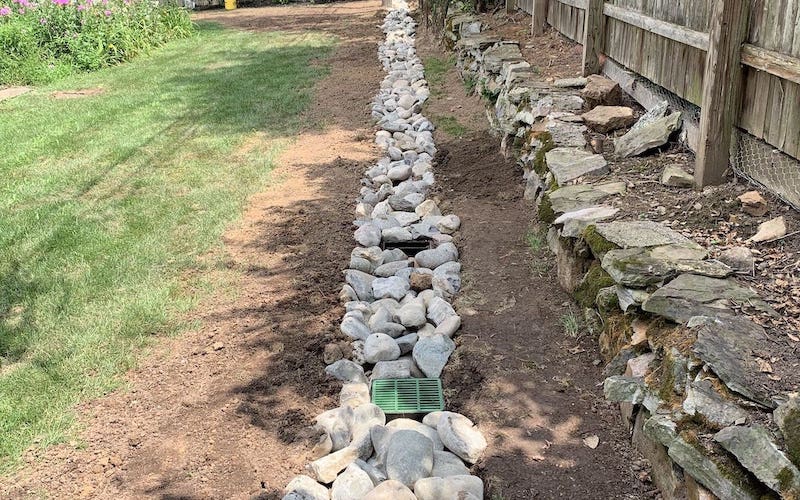
Image Source: hydroscapespa.com
Diagnosing Your Yard’s Drainage Issues
Before you can fix a drainage problem, you need to figure out where the water is coming from and where it’s going (or not going!). This involves a bit of observation and detective work.
Identifying Problem Areas
- Observe after rain: The best time to see where water collects is immediately after a significant rainfall. Note the spots where puddles form and how long they take to disappear.
- Look for signs of erosion: Are there gullies or channels carved into your lawn? This indicates water is flowing strongly in those areas.
- Check your foundation: Do you see water stains or dampness near your home’s foundation? This is a critical warning sign.
- Inspect your landscaping: Are plants looking waterlogged or are some areas bare where water might be washing away soil?
Common Causes of Yard Flooding
- Poor grading: If your yard slopes towards your house or low spots, water will naturally accumulate there.
- Compacted soil: Hard, compacted soil prevents water from soaking in, forcing it to run off.
- Inadequate or blocked gutters and downspouts: These are designed to carry water away from your house, but if they’re clogged or not directing water properly, they can contribute to yard flooding.
- Overly large impervious surfaces: Driveways, patios, and walkways that don’t allow water to penetrate can increase surface runoff.
- High water table: In some areas, the natural groundwater level is very high, making drainage difficult.
- Heavy clay soil: Clay soil drains very slowly, holding onto water.
Simple Solutions for Better Backyard Water Management
Sometimes, small changes can make a big difference in how your yard handles water. These are often the first steps to try.
Gutter Maintenance: The First Line of Defense
Your gutters and downspouts are crucial for directing water away from your home’s foundation. Keeping them in good working order is essential for effective backyard water management.
- Clean your gutters regularly: Remove leaves, twigs, dirt, and other debris that can clog them. Aim for at least twice a year, or more often if you have many trees.
- Check for damage: Look for leaks, sagging sections, or loose fasteners. Repair or replace damaged sections promptly.
- Ensure proper slope: Gutters should have a slight slope towards the downspouts to ensure water flows freely.
Downspout Extensions: Directing Water Away
Clogged gutters are one problem, but where those gutters empty is another. Downspout extensions are simple, affordable tools to ensure rainwater is carried further away from your house.
- Extend past the foundation: Make sure downspouts empty at least 5-10 feet away from your home’s foundation.
- Consider underground extensions: For a cleaner look and to keep hoses out of the way, you can bury flexible or rigid downspout extensions. Ensure they have a proper outlet and aren’t prone to clogging themselves.
- Splash blocks: These are concrete or plastic pads placed under downspouts to help disperse water and prevent erosion.
Adjusting Yard Grading: The Foundation of Drainage
Grading yard for drainage is perhaps the most effective way to manage water. The goal is to ensure your lawn gently slopes away from your house and any other structures.
- The two percent rule: Aim for a slope of at least 1/4 inch per foot for the first 10 feet away from your foundation. This means for every foot away from the house, the ground should drop about 1/4 inch.
- Identify low spots: Use stakes and string, or simply observe where water pools.
- Add soil to low areas: You can bring in topsoil or compost to fill in low spots and build up the grade. Be sure to blend the new soil with the existing so there isn’t a hard edge.
- Be mindful of existing trees: Avoid burying the root flare of mature trees when adding soil.
Intermediate Drainage Solutions
If simple adjustments aren’t enough, you might need to explore more involved drainage solutions.
French Drain Construction: A Proven Water Diverter
A French drain is a trench filled with gravel and a perforated pipe that redirects subsurface water away from an area. French drain construction is a very effective way to manage persistent dampness or areas where water collects.
- How it works: Water seeps into the gravel, flows into the perforated pipe, and is carried away to a lower point, like a storm drain, dry well, or drainage ditch.
- Key components:
- Trench: Dig a trench with a slight slope.
- Gravel: Line the trench with landscape fabric and fill it with clean gravel.
- Perforated pipe: Place the pipe (usually 4-inch diameter) on top of the gravel, ensuring it’s also sloped.
- More gravel: Cover the pipe with more gravel.
- Fabric wrap: Wrap the entire system in landscape fabric to prevent soil from clogging the gravel and pipe.
- Topsoil and sod/mulch: Cover the top with a thin layer of topsoil and then your preferred ground cover.
- Where to install: French drains are excellent for diverting water from foundations, soggy yards, or along retaining walls.
Retaining Walls for Water Control: More Than Just Support
While their primary purpose is to hold back soil, retaining walls for water control can play a significant role in managing water flow in sloped yards.
- Intercepting runoff: A well-placed retaining wall can intercept surface water flowing down a slope, preventing it from reaching areas where you don’t want it.
- Creating terraces: Terracing a sloped yard with retaining walls can create level planting areas and slow down water flow, allowing more time for it to soak in.
- Drainage behind the wall: It’s crucial to install a drainage system behind any retaining wall. This typically involves a layer of gravel and a perforated pipe at the base of the wall to relieve hydrostatic pressure and divert collected water.
Rain Gardens: Nature’s Way of Handling Water
A rain garden design uses native plants in a shallow depression to capture, absorb, and filter rainwater runoff. It’s an attractive and eco-friendly way to improve backyard water management.
- How it works: Rain gardens are strategically placed in low spots or areas where water collects. They are designed to hold water for a short period, allowing it to soak into the ground.
- Key design elements:
- Location: Choose a spot that naturally collects water but is at least 10 feet away from your foundation.
- Depression: Create a shallow, bowl-like shape, typically 6-8 inches deep.
- Soil mix: Use a well-draining soil mix, often a combination of topsoil, sand, and compost. Avoid heavy clay.
- Plant selection: Choose native, water-tolerant plants that can handle both wet and dry conditions.
- Mulch: Apply a layer of mulch to retain moisture and suppress weeds.
- Benefits: Rain gardens reduce stormwater runoff, recharge groundwater, improve water quality, and provide habitat for wildlife.
Advanced Drainage Solutions
For more severe flooding issues or when dealing with large volumes of water, these methods offer more robust solutions.
Sump Pump Installation: Protecting Your Home’s Interior
If you have a basement or crawl space that frequently floods, sump pump installation is a critical defense.
- What is a sump pump? It’s a pump placed in a pit (sump pit) at the lowest point of a basement or crawl space. When groundwater or floodwater rises in the pit, the pump activates and discharges the water away from your home.
- Installation:
- Excavate the sump pit: Dig a hole large enough for the sump pit liner.
- Install the pit liner: Place a perforated or solid liner to prevent surrounding soil from collapsing into the pit.
- Install the pump: Place the sump pump inside the pit.
- Connect discharge pipe: Run a pipe from the pump to the exterior, ensuring it empties well away from your foundation. Consider a check valve to prevent water from flowing back into the pit.
- Power source: Connect the pump to a reliable power source. A battery backup is highly recommended for power outages.
Permeable Paving: Letting Water Soak Through
Traditional concrete or asphalt driveways and patios create impervious surfaces that shed water. Permeable paving allows water to pass through the surface and into the ground below.
- Types of permeable paving:
- Permeable pavers: These are interlocking concrete or stone units with gaps filled with sand or gravel that allow water to drain.
- Permeable concrete: This type of concrete has a porous structure created by using specific aggregate and void content.
- Permeable asphalt: Similar to permeable concrete, it’s designed with larger voids to allow water to pass through.
- Gravel systems: Layers of gravel can be used for driveways or walkways, offering excellent drainage.
- Grass pavers: Plastic or concrete grids that support grass while allowing water to infiltrate.
- Benefits: Reduces surface runoff, replenishes groundwater, filters pollutants, and can help prevent erosion.
Maintaining Your Drainage Systems
Once you’ve implemented drainage solutions, regular maintenance is key to ensuring they continue to work effectively.
Regular Inspections and Cleaning
- Gutters and downspouts: Clean them seasonally. Check for blockages, especially after storms or windy periods.
- French drains: Periodically check the outlets for blockages. If you notice water isn’t draining as quickly, the system might need cleaning or flushing.
- Rain gardens: Remove weeds and prune plants as needed. Replenish mulch.
- Permeable paving: Sweep or gently power wash to keep the surface clear of debris that could clog the pores.
Monitoring Soil Conditions
- Aeration: Regularly aerating compacted soil can improve its ability to absorb water.
- Composting: Adding organic matter to your soil improves its structure and drainage over time.
Table: Common Yard Flooding Problems and Solutions
| Problem Area | Common Causes | Recommended Solutions |
|---|---|---|
| Water pooling near house | Poor grading yard for drainage, clogged gutters, downspouts too short. | Improve grading, clean gutters, install downspout extensions, consider a French drain. |
| Soggy lawn/waterlogged areas | Compacted soil, clay soil, insufficient grading, high water table. | Aerate soil, amend soil with compost, install French drains, create rain garden design, improve grading yard for drainage. |
| Basement or crawl space floods | High water table, foundation leaks, improper exterior drainage. | Sump pump installation, improve exterior grading, install French drains around the foundation, waterproof foundation. |
| Erosion on slopes | Fast-moving surface water, lack of ground cover. | Plant ground cover or deep-rooted plants, install terracing with retaining walls for water control, create swales. |
| Driveway or patio runoff | Impervious surfaces. | Install permeable paving, create drainage channels, extend downspouts away from these areas. |
Frequently Asked Questions (FAQ)
Q1: How often should I clean my gutters?
A: You should clean your gutters at least twice a year, typically in late spring and late fall. If you have many trees nearby, you may need to clean them more often.
Q2: What is the best way to fix a soggy backyard?
A: The best way depends on the cause, but improving grading yard for drainage, installing French drain construction, or creating a rain garden design are highly effective drainage solutions for soggy yards. Aerating compacted soil is also a good first step.
Q3: Can I install a French drain myself?
A: Yes, if you are comfortable with digging, have basic landscaping knowledge, and have the right tools, French drain construction can be a DIY project. However, for complex systems or if you’re unsure, hiring a professional is recommended.
Q4: How far away from my house should downspouts discharge water?
A: Downspouts should discharge water at least 5 to 10 feet away from your foundation. Downspout extensions are crucial for this.
Q5: What are the benefits of permeable paving?
A: Permeable paving reduces stormwater runoff, helps recharge groundwater, filters pollutants from the water, and can help prevent erosion and flooding.
Q6: Do rain gardens really work?
A: Yes, rain garden design is a proven method for managing stormwater. They effectively capture, absorb, and filter rainwater, reducing the load on storm drains and preventing localized flooding.
By understanding the causes of flooding and implementing the appropriate drainage solutions, you can transform your yard from a waterlogged problem area into a beautiful and functional space. Effective backyard water management not only protects your property but also contributes to a healthier environment.