
The price of a cubic yard of compost can vary significantly, generally ranging from $20 to $70 per cubic yard when purchased in bulk, with additional costs for delivery. Bagged compost, while more convenient for smaller projects, is considerably more expensive per cubic yard.
When planning your garden, landscaping project, or soil improvement efforts, one of the most common questions you’ll face is: “How much does compost cost?” This isn’t a simple question with a single answer because the compost yardage cost is influenced by several factors, including where you buy it, how you buy it (bagged or bulk), and whether you need it delivered. This comprehensive guide will break down the pricing for compost, helping you make informed decisions for your next green project.
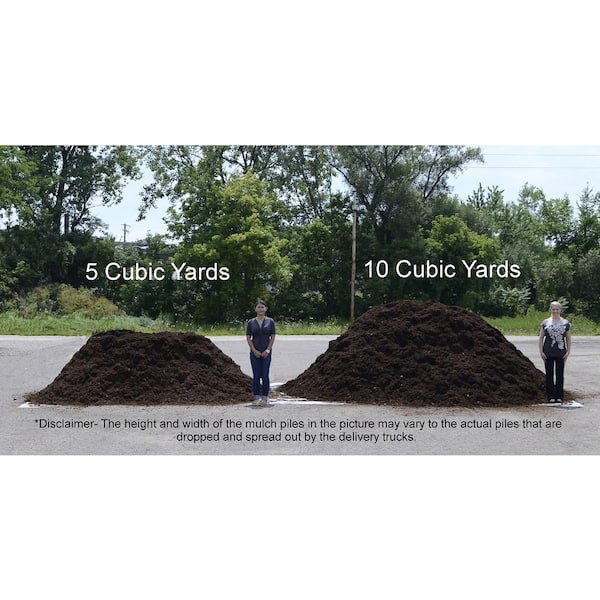
Image Source: images.thdstatic.com
Deciphering Compost Costs: Bagged vs. Bulk
The most significant differentiator in cost per cubic yard compost often comes down to whether you buy it in bags or in bulk. Each option has its pros and cons, impacting not only your wallet but also the logistics of your project.
Bagged Compost: Convenience at a Premium
You’ll find bagged compost readily available at garden centers, hardware stores, and even supermarkets. These bags typically contain around 1 to 2 cubic feet of compost. While convenient for small gardening tasks, like topping up flower pots or amending a small vegetable patch, they quickly become expensive when you need larger quantities.
Calculating the Cost of Bagged Compost:
Let’s do some math to illustrate why. A typical bag might contain 1.5 cubic feet of compost and cost around $5. To figure out the cost per cubic yard compost, we need to know how many cubic feet are in a cubic yard.
- 1 cubic yard = 27 cubic feet
So, if a bag is 1.5 cubic feet, you’d need 18 bags (27 cubic feet / 1.5 cubic feet per bag) to equal one cubic yard.
- 18 bags * $5/bag = $90 per cubic yard
As you can see, the bagged compost vs bulk price difference is substantial. For larger projects, buying bagged compost is generally not cost-effective.
Pros of Bagged Compost:
- Convenience: Easy to transport in a car and handle for small jobs.
- Availability: Widely available at most retail garden stores.
- Quality Control: Often pre-screened and blended for specific purposes (e.g., seed starting mix, enriched garden compost).
Cons of Bagged Compost:
- High Cost per Cubic Yard: Significantly more expensive than bulk options.
- Plastic Waste: Contributes to plastic packaging waste.
- Labor Intensive: Carrying and opening multiple bags can be time-consuming for large projects.
Bulk Compost: The Economical Choice for Larger Projects
When you need more than a few bags, compost bulk pricing becomes your best friend. Buying compost in bulk means purchasing it by the cubic yard directly from a landscape supplier, nursery, or municipal composting facility. This is where you’ll find the most favorable landscaping compost cost.
Typical Bulk Compost Pricing:
The compost yardage cost for bulk compost typically falls between $20 and $70 per cubic yard. This price can fluctuate based on:
- Source: Municipal facilities may offer lower prices than private suppliers.
- Type of Compost: Basic compost might be cheaper than specialized blends (e.g., mushroom compost, worm castings).
- Location: Prices vary regionally due to transportation costs and local demand.
- Volume: Some suppliers offer tiered pricing, with discounts for larger orders.
Pros of Bulk Compost:
- Cost-Effective: Much cheaper per cubic yard than bagged compost.
- Reduced Waste: Less packaging waste compared to bags.
- Efficient for Large Projects: Ideal for amending large garden beds, lawns, or entire landscapes.
Cons of Bulk Compost:
- Delivery Required: You’ll typically need a truck or trailer to pick it up, or pay for delivery.
- Minimum Order: Some suppliers have minimum purchase quantities for bulk orders.
- Storage: Requires space to store the compost until it’s used.
Factors Affecting Compost Prices
Beyond the bagged versus bulk distinction, several other elements influence how much compost does cost.
1. Type and Quality of Compost
Not all compost is created equal. The pricing for compost will reflect the materials used and the composting process.
- Basic Yard Waste Compost: Often the most affordable. Made from leaves, grass clippings, and other yard debris. Good for general soil improvement and mulching.
- Manure-Based Compost: Can be slightly more expensive due to the sourcing and stabilization of animal manure. Rich in nutrients.
- Mushroom Compost: A byproduct of mushroom farming, often enriched with nutrients. Can be a bit pricier but excellent for vegetable gardens.
- Worm Castings (Vermicompost): The most premium and therefore most expensive. Extremely nutrient-rich and beneficial for plant health. Usually sold in smaller quantities.
- Commercial Blends: Specialty composts mixed with other ingredients like peat moss, perlite, or specific nutrients can command higher prices.
The quality of compost is also determined by how well it’s been composted. Properly finished compost is dark, crumbly, and smells earthy, not like ammonia or rotten eggs. Higher quality compost, which has gone through a more controlled and longer process, might carry a higher price tag.
2. Location and Availability
Bulk compost prices near me will be influenced by local supply and demand. If you live in an area with many composting facilities or landscape suppliers, you might find more competitive pricing. Conversely, in rural areas with fewer options or areas with high demand (like during peak gardening season), prices might be higher.
Compost delivery cost is also a significant factor. If you’re far from the supplier, delivery fees can substantially increase the overall compost yardage cost. Some suppliers charge a flat fee, while others base it on distance.
3. Seasonality
Like many landscaping materials, compost prices can fluctuate with the seasons. During peak gardening season (spring and summer), demand is highest, which can sometimes lead to slightly higher prices or longer wait times for delivery. Off-season purchases might occasionally yield better deals, but availability could be reduced.
4. Volume Discounts
When purchasing in bulk, always ask about potential volume discounts. Many suppliers will offer a lower cost per cubic yard compost if you buy larger quantities, say 5 cubic yards or more. This is another reason why bulk is the preferred method for significant landscaping jobs.
Estimating Your Compost Needs: The Compost Calculator
Before you can figure out the cost, you need to determine how much compost you actually need. Overbuying can lead to wasted money and storage headaches, while underbuying means an incomplete project. This is where a compost calculator comes in handy.
Most compost calculators work by asking for the dimensions of the area you want to cover (length, width, and depth of the compost layer).
How to Use a Compost Calculator:
-
Measure Your Area:
- Length: Measure the longest side of the area.
- Width: Measure the shortest side of the area.
- Depth: Decide how thick you want the compost layer to be. Common depths for mulching are 2-4 inches, while for soil amendment, you might work it in 4-6 inches.
-
Convert Units: Ensure all measurements are in the same units. Most calculators work best with feet. Remember:
- 1 foot = 12 inches
- To convert inches to feet, divide by 12. For example, 3 inches = 3/12 = 0.25 feet.
-
Input Dimensions into the Calculator:
- Calculate the area in square feet: Length (ft) × Width (ft) = Area (sq ft).
- Calculate the volume in cubic feet: Area (sq ft) × Depth (ft) = Volume (cu ft).
- Convert cubic feet to cubic yards: Volume (cu ft) / 27 = Volume (cu yards).
Example:
Let’s say you want to add a 3-inch layer of compost to a rectangular garden bed that is 10 feet long and 5 feet wide.
- Length = 10 ft
- Width = 5 ft
-
Depth = 3 inches = 0.25 ft
-
Area = 10 ft * 5 ft = 50 sq ft
- Volume (cu ft) = 50 sq ft * 0.25 ft = 12.5 cu ft
- Volume (cu yards) = 12.5 cu ft / 27 = 0.46 cubic yards
Since you can’t usually buy fractions of a cubic yard, you’d likely round up to 0.5 cubic yards.
Always add a little extra (5-10%) to account for settling and any minor measurement inaccuracies.
Factors Influencing Delivery Costs
If you’re buying bulk compost, compost delivery cost is a crucial part of the overall equation.
1. Distance from Supplier
This is the most significant factor. The further your location is from the supplier’s yard, the higher the delivery fee will likely be. Some companies have a tiered system based on mileage zones.
2. Volume of Compost
Larger deliveries might sometimes incur higher delivery fees, but this isn’t always the case. A full truckload might be more cost-effective per cubic yard than a partial load, depending on the supplier’s routing and scheduling.
3. Site Accessibility
If your delivery location is difficult to access (e.g., narrow gates, steep driveways, or areas requiring special equipment), the delivery fee might increase to account for the extra time and effort.
4. Type of Delivery Vehicle
Suppliers typically use dump trucks to deliver bulk compost. If you need a smaller delivery or require a specific type of truck for site access reasons, this could impact the cost.
Average Compost Delivery Costs:
Delivery fees can range from $50 to $150 or more, depending on the factors above. It’s always best to get a quote directly from the supplier.
Where to Buy Compost
Knowing where to look can help you find the best prices and quality for your needs.
1. Local Landscape Suppliers and Garden Centers
These are often the go-to sources for bulk compost. They typically have a variety of compost types and can deliver to your location. Prices here tend to be competitive, especially if you’re buying a substantial amount.
2. Municipal Composting Facilities
Many cities and counties operate their own composting facilities. These are often the most affordable sources for bulk compost, as they are focused on waste diversion rather than profit. However, availability and pick-up/delivery options can vary significantly by municipality. Some may only allow self-pickup, requiring you to bring your own truck and trailer.
3. Nurseries and Garden Stores (for bagged compost)
As mentioned, these are excellent for smaller projects. While the bagged compost vs bulk price is higher, the convenience and variety of specialized blends can be worth it for small-scale gardening.
4. Online Retailers
You can sometimes find compost sold online, though it’s usually in smaller bags or specialty mixes rather than bulk cubic yards due to shipping costs.
Example Pricing Table (Illustrative)
To give you a clearer picture, here’s an illustrative table of potential compost yardage cost and related expenses. Please note these are estimates and actual prices will vary by location and supplier.
| Item/Service | Estimated Price Range (per unit) | Notes |
|---|---|---|
| Bagged Compost | $5 – $15 per bag (1.5 cu ft) | Equivalent to ~$65 – $195 per cubic yard. High convenience, low volume. |
| Bulk Compost | $20 – $70 per cubic yard | Varies by type, quality, and source. Best for larger projects. |
| Premium Bulk Compost | $70 – $150+ per cubic yard | E.g., high-quality blends, worm castings. |
| Compost Delivery | $50 – $150+ per delivery | Depends on distance, volume, and site accessibility. |
| Pickup Fee (at facility) | $0 – $25 | Some municipal facilities might charge a small fee for loading or using their space. |
| Compost Calculator | Free (online tools) | Essential for accurate quantity estimation. |
| Soil Testing Kit | $10 – $30 | Recommended before adding amendments to gauge your soil’s needs. |
Maximizing Your Compost Investment
To get the most value for your money when purchasing compost, consider these tips:
- Shop Around: Get quotes from multiple suppliers in your area. Compare not only the cost per cubic yard compost but also the quality and any additional fees.
- Buy in Bulk: If your project requires more than 5-10 bags, bulk purchasing is almost always the more economical choice.
- Coordinate Delivery: If you need delivery, try to coordinate with neighbors who also need compost. This might help you meet minimum order requirements or potentially split delivery fees.
- Consider Self-Pickup: If you have a suitable truck or trailer and your project is relatively small, picking up compost yourself from a local supplier or municipal facility can save on delivery costs.
- Check for “Finished” Compost: Ensure the compost you’re buying is mature and ready to use. Unfinished compost can tie up nitrogen in your soil, hindering plant growth. Ask the supplier about their composting process and when the material was finished.
- Plan Ahead: Avoid waiting until the last minute, especially during peak season. Planning allows you to shop around and secure the best prices and delivery slots.
- Use a Compost Calculator: As emphasized, accurately estimating your needs prevents overspending or making multiple trips.
Frequently Asked Questions (FAQ)
Q1: What is the average cost of a cubic yard of compost?
A1: On average, bulk compost costs between $20 and $70 per cubic yard, with prices varying by type, quality, and location.
Q2: Is bagged compost more expensive than bulk compost?
A2: Yes, bagged compost is significantly more expensive per cubic yard than bulk compost due to packaging, smaller quantities, and retail markups.
Q3: How much does compost delivery cost?
A3: Compost delivery costs typically range from $50 to $150 or more, depending on the distance from the supplier, the volume ordered, and site accessibility.
Q4: How do I calculate how much compost I need?
A4: You can use a compost calculator by measuring the length, width, and desired depth of the area you want to cover, then converting these measurements into cubic yards.
Q5: Where can I find the best compost bulk pricing?
A5: Look for local landscape suppliers, municipal composting facilities, and nurseries. Prices can vary significantly, so it’s advisable to compare options.
Q6: What factors influence the price of compost?
A6: Key factors include the type and quality of compost, whether it’s bagged or bulk, the supplier’s location, availability, and whether volume discounts apply.
Q7: Can I pick up bulk compost myself?
A7: Yes, many suppliers and municipal facilities allow self-pickup if you have a suitable vehicle like a truck or trailer. This can save on delivery fees.
Q8: What is considered a “good” price for bulk compost?
A8: A “good” price for basic bulk compost would generally be on the lower end of the $20-$70 range, especially if you can find it closer to $20-$40 per cubic yard from a reputable source.
By carefully considering these factors, utilizing tools like a compost calculator, and comparing bulk compost prices near me, you can confidently determine how much is a cubic yard of compost for your specific needs and budget. Investing in quality compost is an investment in healthier soil, more vibrant plants, and a more beautiful landscape.