
Answer: The primary reason you have so many mosquitoes in your yard is the presence of standing water, which serves as ideal breeding grounds for these bothersome insects. Eliminating these sources is the key to controlling and preventing them.
Are you tired of swatting at mosquitoes every time you step outside? Does your backyard feel more like a mosquito convention than a place to relax? You’re not alone. Many homeowners struggle with an overabundance of these buzzing pests, and the question “Why is there so many mosquitoes in my yard?” is a common one. The good news is that by understanding their life cycle and habits, you can implement simple yet effective strategies for mosquito prevention and control. This guide will delve into the common culprits behind backyard mosquitoes and provide actionable solutions.
Mosquitoes are more than just a nuisance; they can transmit diseases like West Nile virus, Zika virus, and Eastern Equine Encephalitis. Therefore, controlling mosquitoes isn’t just about comfort; it’s about public health.
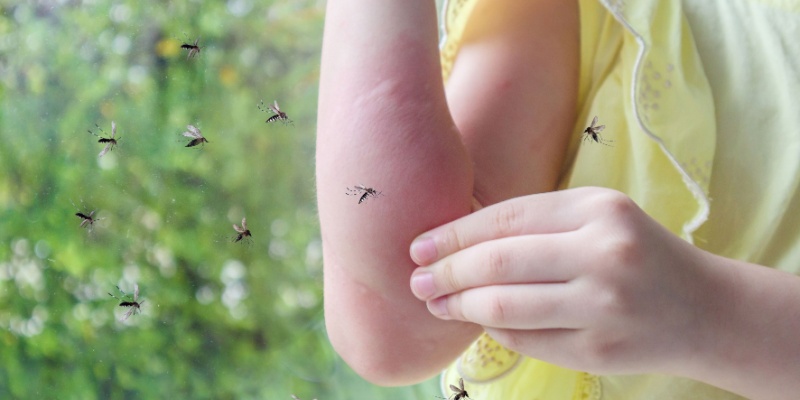
Image Source: triopestcontrol.com
The Mosquito Life Cycle: A Foundation for Control
To effectively tackle the mosquito problem, we need to grasp the basics of their life cycle. A female mosquito lays her eggs in or near water. These eggs hatch into larvae, often called “wigglers,” which live in water and breathe through a snorkel-like tube. The larvae then develop into pupae, or “tumblers,” which also live in water. Finally, adult mosquitoes emerge from the pupal stage and fly away. The entire process, from egg to adult, can take as little as a week in warm conditions.
This dependence on water for reproduction is precisely why standing water is the most critical factor in determining mosquito populations in your yard.
Identifying Mosquito Breeding Sites in Your Backyard
The key to eliminating mosquitoes lies in identifying and removing their breeding grounds. Mosquitoes are remarkably resourceful, and even small amounts of water can support a significant population.
Common Culprits for Standing Water:
- Containers: Anything that can hold water is a potential breeding site. This includes:
- Old tires
- Buckets and watering cans
- Bird baths (if not cleaned regularly)
- Plant saucers
- Tarps that collect water
- Children’s toys left outside
- Clogged gutters
- Unused swimming pools or kiddie pools
- Pet water bowls
- Natural Water Sources:
- Puddles that don’t drain
- Low spots in your lawn that retain water
- Tree holes that collect water
- Swollen or clogged storm drains
- Man-Made Structures:
- Water features like fountains or ponds (if not properly maintained)
- Drainage ditches
- Leaky outdoor faucets or irrigation systems
Even a bottle cap full of water can be enough for mosquitoes to breed. This is why diligent inspection and elimination of mosquito breeding sites are crucial.
Simple Fixes: Eliminating Mosquito Breeding Sites
Now that we know where mosquitoes like to lay their eggs, let’s explore practical solutions for mosquito prevention.
Eliminating Water Sources: The First Line of Defense
The most effective way to reduce mosquito populations is to remove all sources of stagnant water.
- Empty and Store Containers: Turn over buckets, wheelbarrows, and anything else that collects water. Store them indoors or upside down so they cannot fill up.
- Clean Gutters: Clogged gutters are a major source of standing water. Clean them out regularly, especially after rain or strong winds.
- Maintain Bird Baths: Change the water in bird baths at least twice a week. Consider using a fountain or aerator to keep the water moving, as mosquitoes prefer still water.
- Properly Dispose of Tires: Old tires are notorious for collecting water. Dispose of them responsibly by taking them to a recycling center.
- Fix Leaks: Repair leaky faucets and irrigation systems promptly.
- Manage Puddles: Fill in low-lying areas in your yard that tend to collect water after rain.
- Cover Water Storage: If you collect rainwater, ensure your barrels or containers are securely covered with fine mesh to prevent mosquitoes from entering.
- Maintain Pools and Hot Tubs: Keep swimming pools and hot tubs properly chlorinated and filtered. Drain and cover them when not in use.
- Check Tarps and Covers: Ensure tarps and covers on grills, furniture, or boats are taut and don’t have dips that can collect water.
Dealing with Water That Cannot Be Easily Removed
Sometimes, you may have water features or areas that are difficult to drain entirely.
- Mosquito Dunks/Bits: For ponds, rain barrels, or other water that must remain, consider using mosquito dunks or bits. These products contain Bacillus thuringiensis israelensis (BTI), a naturally occurring bacterium that specifically targets and kills mosquito larvae without harming other wildlife, pets, or humans.
- Aeration: In larger water features like ponds, adding an aerator can help keep the water moving, making it less attractive to mosquitoes.
- Fish: In ornamental ponds, consider introducing mosquito-eating fish like mosquitofish (Gambusia affinis) or guppies.
Other Mosquito Prevention Strategies
Beyond eliminating standing water, several other methods contribute to controlling mosquitoes in your yard.
Yard Maintenance
A well-maintained yard is less hospitable to mosquitoes.
- Mow Regularly: Keep your grass mowed. Tall grass provides resting places for adult mosquitoes during the day.
- Trim Bushes and Shrubs: Trim back overgrown vegetation, especially around the perimeter of your home. This reduces shaded areas where adult mosquitoes tend to congregate.
- Clear Debris: Remove leaf litter, grass clippings, and other organic debris, as these can retain moisture and provide habitats for mosquito larvae and adults.
Natural Mosquito Deterrents
While not a complete solution, some natural methods can help deter mosquitoes.
- Citronella: Citronella candles and torches can offer some temporary relief in small, enclosed outdoor spaces.
- Certain Plants: Some plants, like citronella grass, lavender, basil, and marigolds, are said to repel mosquitoes. While planting them in your yard might offer a slight deterrent, their effectiveness is often limited, and they won’t solve a widespread mosquito breeding sites problem.
Mosquito Repellents for Personal Protection
When you’re out in your yard, personal protection is key.
- EPA-Registered Repellents: Use mosquito repellents containing DEET, picaridin, IR3535, oil of lemon eucalyptus (OLE), para-menthane-diol (PMD), or 2-undecanone. Always follow label instructions.
- Protective Clothing: Wear long-sleeved shirts and long pants when mosquito activity is high, especially during dawn and dusk.
Professional Pest Control
For severe infestations or persistent problems, professional pest control services can be an effective option.
- Larval Control: Professionals can treat areas of standing water that cannot be removed with larvicides.
- Adult Mosquito Control: They can also apply insecticides to reduce adult mosquito populations. However, it’s crucial to ensure that any treatment is targeted and environmentally responsible, as broad-spectrum insecticides can harm beneficial insects.
Comprehending Mosquito Behavior to Enhance Control
Knowing when and where mosquitoes are most active can help you plan your outdoor activities and apply prevention methods effectively.
Peak Activity Times
Most mosquito species are most active during the dawn and dusk hours. During the hottest parts of the day, they tend to seek shelter in cooler, shaded areas. This is why you might notice fewer mosquitoes mid-day, but they become a major nuisance as the sun begins to set.
Factors Influencing Mosquito Populations
Several environmental factors can contribute to increased mosquito activity:
- Rainfall: Heavy rainfall creates numerous new breeding sites.
- Temperature: Warmer temperatures accelerate the mosquito life cycle.
- Humidity: High humidity can also favor mosquito survival and activity.
- Wind: Strong winds can deter mosquitoes from flying.
Table 1: Common Mosquito Breeding Sites and Simple Fixes
| Breeding Site | Potential for Mosquitoes | Simple Fixes |
|---|---|---|
| Old Tires | High | Dispose of properly or drill drainage holes. |
| Buckets, Watering Cans, Toys | High | Empty, store upside down, or bring indoors. |
| Bird Baths | Medium | Change water at least twice a week; consider a fountain. |
| Plant Saucers | Medium | Empty regularly; consider using sand to absorb excess water. |
| Clogged Gutters | High | Clean gutters regularly. |
| Unused Swimming Pools/Kiddie Pools | Very High | Drain and cover securely; if used, maintain proper water treatment. |
| Puddles/Low-lying Areas | Medium | Fill in with soil or gravel; improve drainage. |
| Tree Holes | Medium | Fill with expanding foam or concrete; ensure they don’t hold water. |
| Tarps and Covers | Medium | Ensure they are taut and drain properly; remove pooled water. |
| Pet Water Bowls | Medium | Change water daily; wash bowls regularly. |
| Water Features (Fountains, Ponds) | Varies | Aerate water; use BTI products; introduce mosquito-eating fish. |
| Ornamental Pots without Drainage | Medium | Drill drainage holes; empty water from saucers. |
Deciphering Why Your Yard Might Be a Mosquito Magnet
Let’s look at specific scenarios that might explain an unusually high mosquito population in your yard.
Is Your Yard a Water Reservoir?
The most common reason is the accumulation of standing water. Go on a thorough inspection tour of your property, specifically looking for anything that can hold water for more than a few days. Even a small amount can support a colony of mosquito larvae.
Are Your Gutters Doing Their Job?
As mentioned, clogged gutters are prime real estate for mosquitoes. Leaves, twigs, and debris can create dams that hold significant amounts of water, providing an ideal environment for mosquito breeding sites.
What About Your Landscaping?
Overgrown shrubs and tall grass offer daytime resting spots for adult mosquitoes. If your yard is dense with vegetation, it provides ample shelter, increasing the chances of encountering these pests.
Do You Have Water Features?
While beautiful, decorative ponds, fountains, or even neglected kiddie pools can become mosquito hatcheries if not properly managed. The still water is perfect for mosquito larvae to develop.
Are You Watering Your Plants Effectively?
Overwatering can lead to persistent puddles. Also, check the saucers under potted plants; these are often overlooked and can be significant breeding grounds.
Fostering a Mosquito-Free Backyard: A Proactive Approach
Mosquito prevention is an ongoing process, not a one-time fix. By adopting a proactive mindset and consistently implementing these strategies, you can significantly reduce the mosquito population in your yard.
Regular Inspections are Key
Make it a habit to walk around your property at least once a week, especially after rain, to check for and eliminate any new sources of standing water. This simple habit can prevent a small problem from becoming a large infestation.
Educate Your Household
Ensure everyone in your home understands the importance of eliminating mosquito breeding sites and knows where to look for them.
Consider Mosquito Traps
While not a primary solution for eliminating mosquitoes, mosquito traps can help reduce the adult population in a localized area. These traps often use attractants like carbon dioxide or heat to lure mosquitoes and then capture or kill them.
Partner with Neighbors
Mosquitoes don’t respect property lines. If your neighbors have persistent mosquito problems and are not taking steps to control them, your efforts may be less effective. Discussing the issue and coordinating efforts can lead to better results for everyone.
Frequently Asked Questions About Backyard Mosquitoes
Q1: How often should I check for standing water?
A1: It’s best to conduct a thorough inspection of your yard for standing water at least once a week, and immediately after rainfall.
Q2: Can I just spray my yard with insecticide?
A2: While spraying can kill adult mosquitoes, it’s a temporary fix and doesn’t address the root cause – mosquito breeding sites. Over-reliance on insecticides can also harm beneficial insects and may lead to mosquitoes developing resistance. Eliminating water sources is a more sustainable and effective approach to controlling mosquitoes.
Q3: What are mosquito repellents?
A3: Mosquito repellents are products applied to skin or clothing that deter mosquitoes from biting. Effective repellents contain EPA-registered active ingredients like DEET, picaridin, or oil of lemon eucalyptus.
Q4: My neighbor has a pond; will that affect my mosquito problem?
A4: Yes, if your neighbor’s pond is a breeding ground and not properly managed, it can contribute to the overall mosquito population in the area, impacting your yard as well. Communication and shared efforts can be beneficial.
Q5: Are there any natural ways to get rid of mosquitoes permanently?
A5: There isn’t a single “permanent” natural solution for eliminating all mosquitoes, as they are a natural part of the ecosystem. However, consistently removing standing water and maintaining your yard are the most effective natural methods for significantly reducing their numbers and preventing infestations.
By implementing these simple yet impactful fixes, you can reclaim your yard from the annoyance of mosquitoes and enjoy your outdoor space once again. Remember, consistent effort in mosquito prevention is the key to long-term success.