
Can you get rid of Parvo in your yard? Yes, with thorough decontamination and diligent cleaning, you can significantly reduce the risk of Parvovirus in your yard. This guide will walk you through the essential steps for canine parvovirus yard treatment, ensuring a safe environment for your furry friends. We’ll cover everything from Parvovirus decontamination to parvo prevention in yard strategies.
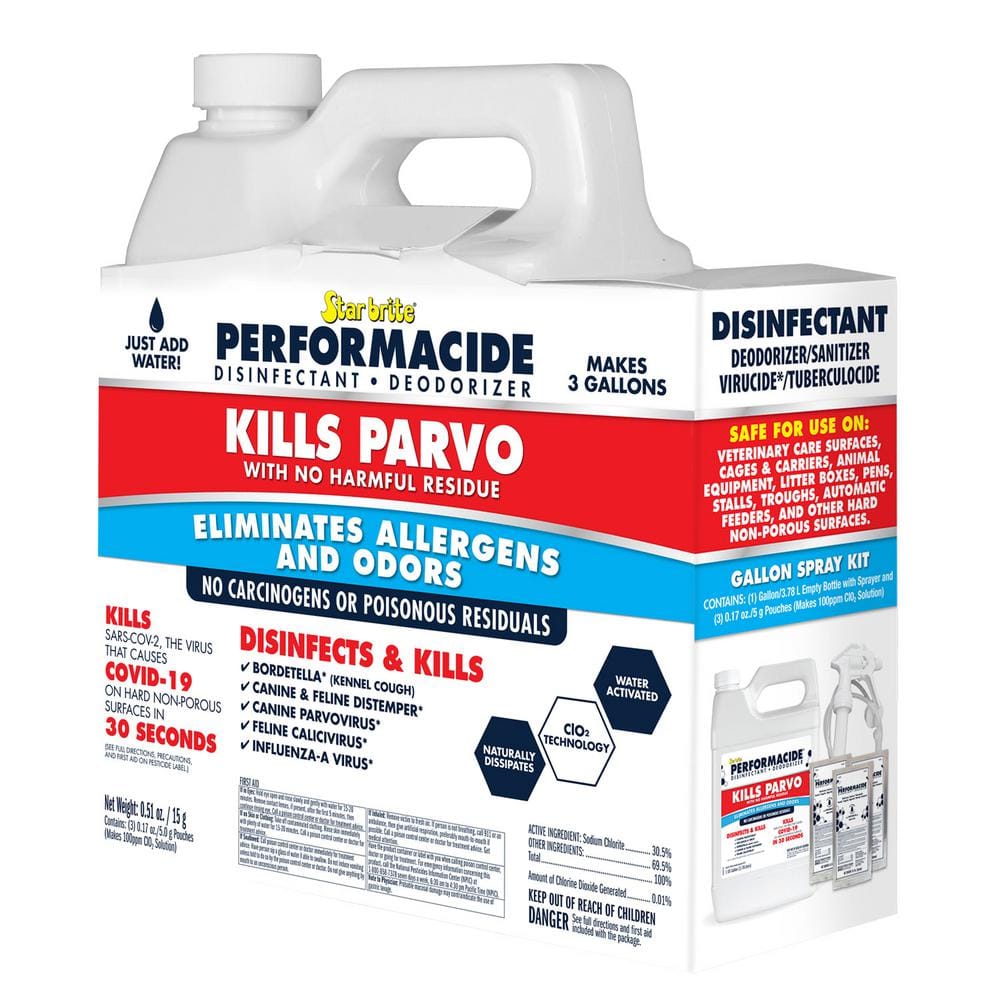
Image Source: images.thdstatic.com
The Invisible Threat: Understanding Parvovirus
Parvovirus is a highly contagious and potentially deadly virus that affects dogs, especially puppies. It attacks the gastrointestinal tract and the immune system. Even after a dog has recovered, they can continue to shed the virus in their feces for several weeks. This means your yard can become a breeding ground for this dangerous pathogen if not properly cleaned. The virus is incredibly resilient and can survive in the environment for an extended period, making killing parvo outdoors a significant challenge.
What is Canine Parvovirus?
Canine Parvovirus (CPV) is a highly contagious viral illness that can be fatal to dogs, particularly puppies and unvaccinated adult dogs. It primarily targets the intestines, causing severe vomiting, diarrhea, dehydration, and a weakened immune system.
How Does Parvo Spread in a Yard?
Parvovirus spreads through direct contact with an infected dog or indirectly through contact with contaminated feces or objects (like shoes, leashes, or even soil). A dog with Parvo can shed vast amounts of the virus in their vomit and feces. If these bodily fluids contaminate your yard, the virus can persist, posing a threat to any unvaccinated or inadequately vaccinated dog that comes into contact with it.
The Critical Need for Yard Decontamination
If your dog has had Parvo, or if an infected dog has been in your yard, prompt and thorough decontamination is not just recommended; it’s essential for puppy parvo yard safety. Failing to address the contamination properly can lead to reinfection of other dogs or future unvaccinated pets that visit.
Why is Parvovirus So Stubborn?
Parvovirus is incredibly hardy. It can withstand a wide range of temperatures and survive in soil and on surfaces for months, even up to a year or longer under ideal conditions. This resilience is why standard cleaning products are often ineffective and why specific parvocidal disinfectants are crucial.
Step-by-Step Guide to Parvo Yard Decontamination
Getting rid of Parvo from your yard requires a systematic approach. The goal is to eliminate any viral particles that could infect susceptible dogs. This process involves several key stages: cleaning contaminated areas, removing parvo from soil, and using the right disinfectants.
Step 1: Identify and Isolate Contaminated Areas
Before you start cleaning, you need to pinpoint where the contamination is most likely to have occurred.
- Fecal Matter: Any visible feces must be removed immediately.
- Vomit or Diarrhea Stains: Look for any stained areas where a sick dog might have expelled fluids.
- High-Traffic Areas: Focus on areas where dogs frequently relieve themselves or play.
Step 2: Thoroughly Clean All Surfaces
The first layer of cleaning involves removing physical debris and organic matter, which can protect the virus from disinfectants.
Cleaning Solid Surfaces
- Scoop and Bag: Use gloves and a scooper to carefully collect all feces, vomit, or soiled material. Place these in a heavy-duty plastic bag.
- Double Bag: Seal the first bag securely and place it inside a second bag, sealing that one as well. This prevents any leakage during disposal.
- Dispose Properly: Dispose of the bagged waste according to your local regulations, ideally in an outdoor trash receptacle.
- Scrubbing: Use a stiff brush and a strong detergent solution (like dish soap mixed with hot water) to scrub all affected surfaces. This mechanical action helps lift and remove viral particles.
- Rinse: Thoroughly rinse the scrubbed areas with clean water.
Cleaning Soil and Grass Areas
- Remove Debris: Rake up any fallen leaves, grass clippings, or other organic debris from the affected areas.
- Physical Removal (If Severe): In extreme cases, especially where there was heavy soiling or a confirmed case, you might consider removing the top layer of soil (a few inches) and replacing it with fresh soil. This is a more drastic but highly effective method for removing parvo from soil.
- Aerate: Aerating the soil can help improve the effectiveness of disinfectants and sunlight penetration, both of which can degrade the virus.
Step 3: Disinfection – The Key to Killing Parvo
This is the most critical step. Not all disinfectants work against Parvovirus. You need products specifically proven to kill it.
Parvocidal Disinfectants
The most effective disinfectant for Parvovirus is a solution of 1:30 bleach (sodium hypochlorite). This means 1 part bleach to 30 parts water.
Important Precautions with Bleach:
- Ventilation: Always use bleach in a well-ventilated area.
- Gloves and Eye Protection: Wear rubber gloves and eye protection to avoid skin and eye irritation.
- Surface Compatibility: Bleach can damage certain materials and discolor fabrics. Test in an inconspicuous area first.
- Never Mix: Never mix bleach with ammonia or other cleaning products, as this can create toxic fumes.
- Fresh Solution: Make a fresh bleach solution each time you use it, as bleach loses its potency over time.
Alternatives to Bleach
While bleach is the gold standard, other disinfectants can be effective if used according to their specific instructions. Always check the product label to ensure it is parvocidal. Some options include:
- Potassium Monopersulfate (e.g., Virkon™ S): This is a broad-spectrum disinfectant that is effective against Parvovirus and is often preferred for its lower toxicity compared to bleach.
- Accelerated Hydrogen Peroxide: Some veterinary-grade disinfectants use accelerated hydrogen peroxide and are effective.
Application of Disinfectants
- Saturate the Area: Apply your chosen disinfectant generously to all cleaned surfaces, ensuring they remain wet for the contact time recommended by the product manufacturer. For a 1:30 bleach solution, the surface should remain visibly wet for at least 10 minutes.
- Spray Bottles and Watering Cans: Use spray bottles for targeted application on smaller areas or watering cans for larger sections of your yard.
- Allow Contact Time: This is crucial. The disinfectant needs time to kill the virus. Do not rinse immediately after application unless the product instructions specifically state to do so.
- Rinsing (if necessary): If you’ve used bleach, you may need to rinse thoroughly with water afterward to remove any residue, especially in areas where dogs might lick or ingest.
Step 4: Disinfecting Different Yard Elements
Different parts of your yard require specific attention.
Hard Surfaces (Patios, Decks, Pavement)
- Scrub and Disinfect: As outlined in Step 2 and 3, scrub these surfaces with detergent and water, then thoroughly disinfect with your chosen parvocidal solution, ensuring full coverage and adequate contact time.
Soil and Grass
- Direct Application: For soil and grass, applying a diluted bleach solution (1:30) can be effective. However, remember that bleach can kill grass and plants. For this reason, it’s often recommended to:
- Targeted Application: Only apply to areas where definitive contamination occurred.
- Consider Alternatives: Use potassium monopersulfate or accelerated hydrogen peroxide on larger lawn areas as they are generally safer for vegetation.
- Sunlight: After disinfecting and allowing contact time, allowing sunlight to reach the soil is beneficial. UV rays from the sun also help break down the virus.
- Dilution is Key: For lawn areas, a 1:30 bleach solution is a starting point, but testing in a small area is wise. Some sources suggest even more diluted solutions for grass to minimize damage, but this might reduce effectiveness.
- Watering: After the contact time, watering the soil can help dilute any remaining disinfectant and wash it deeper into the soil, away from direct dog contact.
Wooden Fences and Structures
- Scrub and Soak: Scrub with detergent and water. Then, liberally spray or soak the wood with your parvocidal disinfectant solution, ensuring it penetrates any cracks or crevices.
Dog Accessories
- Washables: Washable items like dog beds and toys should be washed in hot water with detergent. For extra protection, soak them in a diluted bleach solution (ensure the fabric can tolerate it) or a disinfecting soak recommended for pet items.
- Non-Washables: Non-porous toys can be scrubbed and soaked in disinfectant. Porous items may be difficult to fully decontaminate and might need to be discarded.
Step 5: Post-Decontamination Care and Monitoring
The job isn’t done after disinfection. Vigilance is key for successful parvo prevention in yard management.
- Allow Drying: Let treated areas dry completely.
- Monitor: Keep unvaccinated or at-risk dogs away from the treated areas until they are thoroughly dry and safe.
- Re-evaluation: Depending on the severity of the contamination and the duration the virus may have been present, you might need to repeat the disinfection process.
Strategies for Parvo Prevention in Your Yard
Preventing future outbreaks is as important as cleaning up an existing one. Implementing strong parvo prevention in yard strategies will protect your canine companions.
Vaccination is Paramount
- Complete Vaccination Series: Ensure all dogs in your household are up-to-date on their Parvovirus vaccinations as recommended by your veterinarian. This is the single most effective way to protect your dogs.
- Puppy Protocols: Strictly adhere to your veterinarian’s vaccination schedule for puppies. Avoid high-risk areas until they are fully vaccinated.
Hygiene Practices
- Prompt Fecal Removal: Clean up dog feces immediately from your yard. This minimizes the chance of virus shedding and environmental contamination.
- Footwear Decontamination: If you’ve been to areas where Parvo is prevalent (like dog parks or kennels), change and clean your shoes before entering your yard or home. Use a disinfectant wipe or spray on your shoes.
- Leash Etiquette: Use leashes in public areas and avoid letting your dog interact with unknown dogs, especially if their vaccination status is unclear.
Limiting Exposure
- Puppy Isolation: Keep puppies isolated from other dogs whose vaccination status is unknown until they have completed their full vaccination series. This includes avoiding dog parks, pet stores, and public areas with high dog traffic.
- Quarantine New Dogs: If you bring a new dog into your home, keep them separate from your existing pets until they have been vet-checked and are confirmed to be healthy and up-to-date on vaccinations.
Environmental Considerations
- Sunlight: Keep your yard tidy and allow sunlight to reach as much of the soil and grass as possible. Sunlight is a natural disinfectant.
- Water Drainage: Ensure good drainage in your yard to prevent stagnant water, which can potentially harbor pathogens.
Dealing with Soil Contamination: A Deeper Dive
Soil is perhaps the most challenging surface to remove parvo from soil. The virus can bind to soil particles, making it difficult to eradicate completely.
The Challenge of Soil
- Persistence: Parvovirus can remain viable in soil for extended periods, especially in shaded, moist, or organic-rich environments.
- Ingestion: Dogs can ingest contaminated soil through digging, eating grass, or licking their paws after playing in contaminated areas.
Advanced Soil Decontamination Techniques
- Soil Removal: As mentioned earlier, physically removing the top few inches of soil and replacing it is the most effective, albeit labor-intensive, method for killing parvo outdoors in heavily contaminated soil.
- Chemical Treatments: While bleach is the primary choice, its effect on soil and vegetation must be considered. Potassium monopersulfate is often a safer alternative for larger areas of grass and soil.
- Sunlight Exposure: Maximize sunlight exposure to contaminated soil areas. Turn over the soil to expose it to UV rays, which aids in viral degradation.
- Long-Term Fallowing: If a severe Parvo outbreak has occurred, you might consider leaving the affected area fallow (without dogs) for an extended period, upwards of 12-18 months, combined with regular sunlight exposure.
Table of Disinfectants and Their Effectiveness Against Parvovirus
| Disinfectant Type | Dilution Ratio (for Parvo) | Contact Time (Minimum) | Notes |
|---|---|---|---|
| Bleach (Sodium Hypochlorite) | 1:30 | 10 minutes | Highly effective, but can damage surfaces and plants. Requires good ventilation. |
| Potassium Monopersulfate | As per manufacturer | As per manufacturer | Broad-spectrum, effective against Parvo. Generally safer for plants and less irritating. |
| Accelerated Hydrogen Peroxide | As per manufacturer | As per manufacturer | Effective against Parvo. Often found in veterinary-grade disinfectants. |
| Quaternary Ammonium Compounds | Varies | Varies | May be effective against some viruses but often not sufficiently parvocidal on their own. Check labels. |
| Phenolic Compounds | Varies | Varies | Effective against some pathogens, but efficacy against Parvo can vary. Check labels. |
Disclaimer: Always read and follow the manufacturer’s instructions for any disinfectant you use. Efficacy can vary based on concentration, contact time, and the presence of organic matter.
Frequently Asked Questions (FAQ)
How long can Parvovirus live in my yard?
Parvovirus is notoriously resilient and can survive in the environment, particularly in soil, for up to 12 months or even longer under favorable conditions (cool, dark, moist).
Can my dog get Parvo again if they were sick before?
While dogs who have recovered from Parvo develop some immunity, they can still be susceptible to reinfection with different strains of the virus, or if their immunity wanes. More importantly, they can shed the virus for weeks after recovery, posing a risk to unvaccinated dogs.
Is it safe to let my puppy play in the yard after a dog had Parvo?
No, it is not safe to let a puppy play in a yard recently exposed to Parvovirus without proper decontamination. The virus can persist in the environment for a long time, and puppies are highly susceptible. You must wait until thorough decontamination has been completed and, ideally, after consulting with your veterinarian.
What if the Parvo contamination is on my neighbor’s property?
If your neighbor’s yard is contaminated, take precautions to prevent your dog from accessing that area. Clean your dog’s paws after any potential exposure, and ensure your own yard is clean and disinfected, especially if your dog has had contact with shared fences or areas where contamination might have spread.
How can I tell if my dog has Parvo?
Symptoms of Parvovirus in dogs include severe vomiting, bloody diarrhea, lethargy, loss of appetite, fever, and dehydration. If you suspect your dog has Parvo, contact your veterinarian immediately.
What is parvovirus decontamination?
Parvovirus decontamination is the process of cleaning and disinfecting an environment to eliminate the Parvovirus, making it safe for dogs again. This involves removing contaminated materials and using specific parvocidal disinfectants.
What are the best disinfectants for killing parvo outdoors?
The most recommended disinfectant for killing parvo outdoors is a 1:30 dilution of bleach. Other effective options include potassium monopersulfate (like Virkon™ S) and certain accelerated hydrogen peroxide-based disinfectants. Always check the product label for efficacy against Parvovirus.
How do I remove parvo from soil?
Removing Parvovirus from soil is challenging. It involves removing contaminated soil if possible, applying parvocidal disinfectants suitable for soil (like potassium monopersulfate), maximizing sunlight exposure to the soil, and in severe cases, leaving the area fallow for an extended period.
What are the signs of parvo prevention in yard strategies?
Effective parvo prevention in yard strategies include strict adherence to vaccination schedules, prompt cleanup of all fecal matter, disinfecting high-traffic areas, limiting exposure of unvaccinated dogs to potential contaminants, and practicing good hygiene with footwear.
What does shedding parvovirus from property mean?
Shedding parvovirus from property means that the property (yard, house, etc.) is actively contaminated with the Parvovirus and is capable of transmitting the virus to susceptible dogs that come into contact with it.
By following these detailed steps and preventative measures, you can effectively manage and minimize the risk of Parvovirus in your yard, ensuring a safe and healthy environment for your beloved canine companions. Always consult your veterinarian for personalized advice regarding Parvovirus and your dog’s health.