
Is your lawn looking more like a bumpy roller coaster than a smooth, green carpet? You’re not alone. Lumpy yards are a common frustration for homeowners. The primary reasons for a lumpy yard are soil settling, animal burrows, root heave, poor drainage, and uneven grading. We’ll explore these and other factors, along with practical ways to fix them.
Lumps and bumps in your yard can be more than just an eyesore. They can create tripping hazards, make mowing difficult, and indicate underlying issues with your soil or landscape. Let’s dive deep into what might be causing those unwelcome mounds and dips, and more importantly, how you can achieve a beautifully smooth lawn.
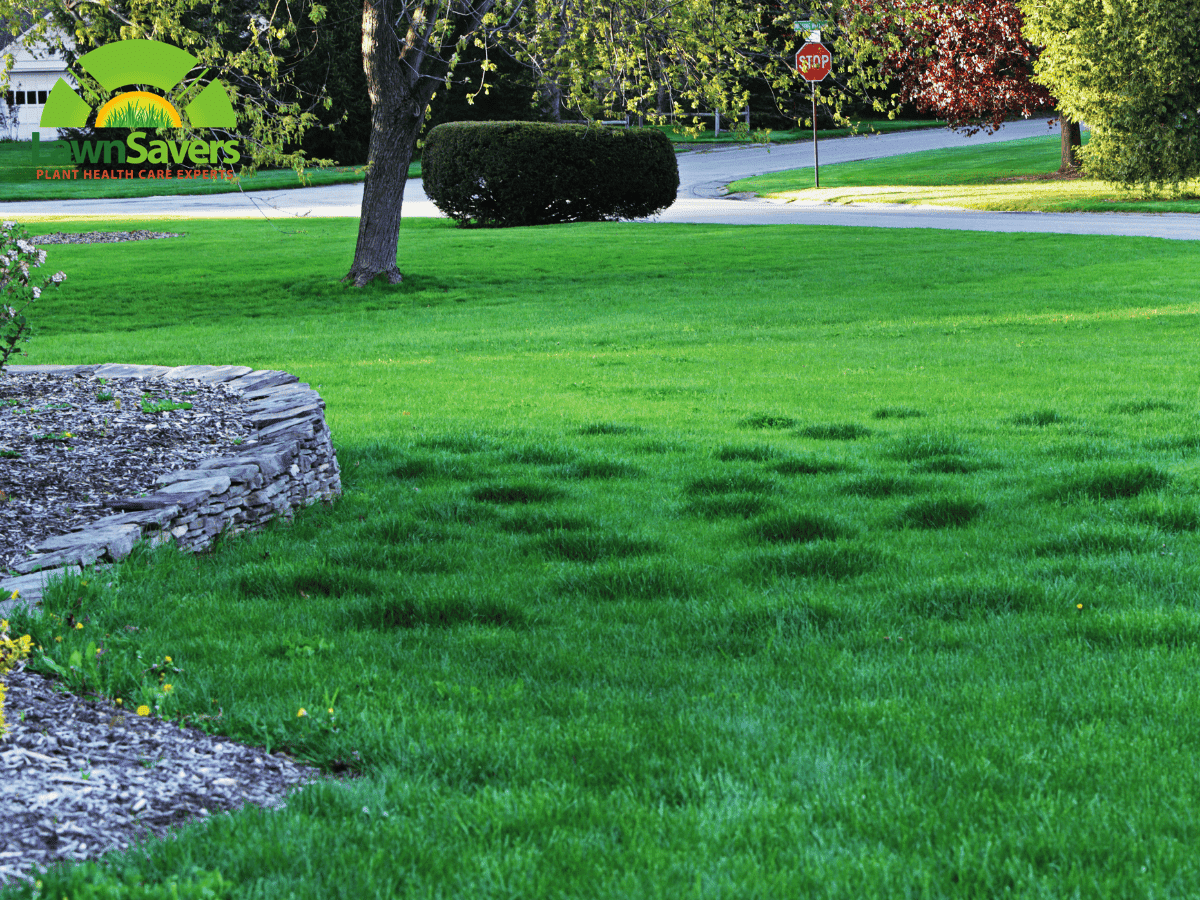
Image Source: lawnsavers.com
Deciphering the Causes of a Lumpy Lawn
Several factors, often working in combination, can contribute to an uneven yard. From natural processes to unwelcome guests, pinpointing the source is the first step toward a solution.
Soil Settling: The Natural Sink
One of the most frequent culprits behind yard lumps is soil settling. When soil is disturbed, such as after new landscaping, construction, or even just regular use, it can settle over time. This settling happens when air pockets within the soil collapse.
- New Fill Dirt: If your yard has had fill dirt added, it often contains a lot of air. As the soil naturally compacts with moisture and gravity, it sinks, creating low spots.
- Decomposition of Organic Matter: When organic materials like leaves, grass clippings, or even old roots decompose beneath the surface, they leave behind air pockets. As these materials break down, the soil above them sinks.
- Freeze-Thaw Cycles: In climates with freezing temperatures, water in the soil can freeze and expand, pushing soil upwards. When it thaws, the soil can collapse, leading to unevenness.
Animal Burrows: Uninvited Guests
A surprisingly common cause of lumpy lawns is activity from underground dwellers. Many creatures create extensive tunnel systems that disturb the soil, leading to surface irregularities.
Mole Tunnels: The Silent Saboteurs
Mole tunnels are a prime example of how animal activity can ruin a smooth lawn. Moles are insectivores that create complex networks of tunnels just below the surface in search of food like earthworms and grubs.
- Surface Ridges: As moles push soil upwards to create their feeding tunnels, they leave behind distinctive raised ridges on the surface of your lawn.
- Mounds: They also create conical mounds of soil, known as molehills, as they excavate deeper tunnels. These mounds are a dead giveaway of mole activity.
Ant Mounds: Tiny Architects of Unevenness
While often smaller than molehills, ant mounds can also contribute to a lumpy appearance, especially if you have a large ant colony. Ants excavate soil to create their nests and ventilation shafts, pushing the excavated soil to the surface.
- Small Hills: These appear as small, often finely textured piles of soil scattered across the lawn.
- Multiple Colonies: A yard with many ant colonies can look quite bumpy.
Root Heave: The Power of Trees and Shrubs
Larger plants can also be responsible for a lumpy yard, particularly through a phenomenon known as root heave. As trees and shrubs grow, their root systems expand.
- Shallow Root Systems: Some trees, like maples and birches, have shallow, spreading root systems that grow close to the surface. As these roots thicken and expand, they can push the soil upwards, creating bumps and unevenness.
- Decomposing Roots: When older tree roots die and decompose, they can leave behind voids in the soil, which can then settle and cause surface lumps.
- Water Demand: In drier conditions, trees may draw a lot of moisture from the soil, causing it to shrink and potentially lead to settling around surface roots.
Poor Drainage: The Soggy Foundation
Water is essential for a healthy lawn, but too much water, or water that doesn’t drain away properly, can lead to significant problems, including lumpiness. Poor drainage creates an unstable environment for your soil.
- Soil Saturation: When water sits on the surface or saturates the soil, it can cause the soil particles to become less stable. This can lead to slumping and settling.
- Erosion: Areas with poor drainage are also prone to erosion. As water flows, it can wash away topsoil, creating low spots and exposing underlying soil, which can then settle unevenly.
- Waterlogging: Constantly waterlogged soil can kill grass, leaving bare patches that may then settle, exacerbating the lumpiness.
Uneven Grading: The Unseen Slopes
The initial construction and landscaping of your yard play a huge role in its long-term appearance. Uneven grading refers to a lack of consistent slope across your property, which can lead to water pooling and soil movement.
- Construction Practices: During home construction, the soil is often heavily disturbed and compacted. If the final grading isn’t done carefully, low spots can form where water collects.
- Surface Runoff: Uneven grading can cause water to run off in specific directions, leading to erosion in some areas and water accumulation in others.
- Settling of Subsoil: If the subsoil was not properly compacted before topsoil was added, it can settle over time, causing the surface to become uneven.
Thatch Buildup: A Mat of Dead Grass
While thatch buildup itself doesn’t directly cause lumps, a very thick layer of thatch can create an inconsistent surface and contribute to other problems that lead to lumpiness. Thatch is a layer of dead and living plant material (stems, roots, and leaves) that accumulates between the green grass and the soil surface.
- Water Retention: A thick thatch layer can prevent water from reaching the soil, leading to dry spots that can settle. Conversely, it can also hold excessive moisture in certain areas.
- Compaction: Over time, the organic matter in thatch can decompose, leaving air pockets and causing the surface to sink in areas where thatch is particularly thick.
Soil Compaction: The Hardened Ground
Soil compaction occurs when soil particles are pressed together tightly, reducing the pore space available for air and water. This can happen from heavy foot traffic, lawn equipment, or even natural settling.
- Reduced Water Infiltration: Compacted soil doesn’t absorb water well, leading to surface runoff and potential erosion, which can create unevenness.
- Limited Root Growth: When soil is compacted, grass roots struggle to penetrate, leading to weaker turf that is more susceptible to drought and damage, which can then settle.
- Surface Deformity: In severe cases, compacted soil can lead to the formation of hard, raised areas or depressions.
Fixing the Bumps: Solutions for a Smoother Lawn
Once you’ve identified the likely cause of your lumpy yard, you can implement targeted solutions. Here’s a breakdown of how to tackle each issue.
Addressing Soil Settling and Uneven Grading
If soil settling or uneven grading is the primary problem, a combination of filling and leveling is usually required.
- Filling Low Spots:
- Topsoil: The best material to fill low spots is good quality topsoil. You can purchase bagged topsoil or bulk deliveries.
- Layering: For deeper depressions, fill them in layers, compacting each layer lightly as you go. This helps prevent future settling.
- Seeding: After filling, rake the area smooth and reseed it to match the surrounding lawn.
- Leveling High Spots:
- Sod Cutter: For more significant bumps caused by settling or root heave, you might need to remove sections of sod using a sod cutter.
- Shoveling: Once the sod is removed, you can use a shovel to carefully remove soil from the high spots, blending it into the surrounding grade.
- Reseeding/Resodding: After leveling, reseed or resod the area.
Dealing with Animal Burrows (Moles and Ants)
Removing the pests is key to preventing future lumpiness from animal activity.
Eradicating Moles
- Trapping: Various types of traps are effective for catching moles. Harpoon traps and scissor traps are commonly used. Place traps in active tunnels (look for recently pushed-up soil).
- Repellents: Some granular or liquid repellents can deter moles by making the soil unpalatable or irritating their skin. Castor oil-based repellents are popular.
- Grub Control: If moles are in your yard because of a grub problem, treating the grubs can reduce their food source. However, moles will also eat earthworms, so grub control isn’t a guaranteed solution.
- Professional Pest Control: For severe infestations, consider hiring a professional pest control service.
Managing Ants
- Mound Treatment: Many commercial ant baits and sprays can be applied directly to ant mounds.
- Granular Baits: Place granular baits near mounds and along ant trails. The ants carry the bait back to the colony, helping to eliminate it.
- Natural Deterrents: Some homeowners find success with natural methods like pouring boiling water on mounds or using diatomaceous earth.
Managing Root Heave
Dealing with root heave can be tricky, as removing trees is often not a desirable option.
- Pruning: For some shallow-rooted trees, careful pruning of surface roots can help, but this should be done cautiously to avoid harming the tree.
- Sod Removal and Leveling: If the heave is minor, you can sometimes remove the sod, cut away enough of the offending root to allow the soil to be leveled, and then reseed. Be mindful of the tree’s health.
- Raised Garden Beds: In severe cases, creating raised garden beds around the base of the tree can provide a smoother surface while accommodating the roots.
- Tree Root Barriers: For newly planted trees, installing root barriers can help direct roots downwards, preventing surface heave.
Improving Poor Drainage
Addressing poor drainage is crucial for a stable and healthy lawn.
- Aeration: Lawn aeration is a highly effective method for improving drainage and reducing soil compaction. It involves creating small holes in the soil, allowing water and air to penetrate more easily.
- Core Aeration: Core aerators pull out plugs of soil, leaving them on the surface to decompose. This is generally more effective than spike aeration.
- Dethatching: As mentioned, thatch buildup can hinder drainage. Dethatching removes this layer, allowing water to reach the soil.
- French Drains: For persistent waterlogging issues, installing a French drain (a trench filled with gravel and a perforated pipe) can divert excess water away from problem areas.
- Regrading: In severe cases, regrading the entire yard to create a proper slope away from the house and towards a drainage outlet might be necessary.
Combating Soil Compaction
Soil compaction can be tackled through various methods that aim to loosen the soil.
- Lawn Aeration: As discussed, lawn aeration is a primary tool for breaking up compacted soil.
- Topdressing: After aeration, spreading a thin layer of compost or sand can help keep the soil loose and improve its structure over time.
- Reduce Foot Traffic: Minimize walking or driving on the lawn, especially when it’s wet.
- Over-seeding: Aerating and then over-seeding can help introduce new grass varieties that are more resilient to compaction.
Reducing Thatch Buildup
Managing thatch is an important part of maintaining a healthy lawn.
- Dethatching: Use a power rake (dethatcher) to physically remove excess thatch. This is best done in the fall or spring when the grass is actively growing.
- Proper Fertilization: Avoid over-fertilizing with high-nitrogen fertilizers, which can encourage rapid grass growth and thatch production.
- Watering Wisely: Water deeply and less frequently, encouraging deeper root growth and reducing the matting of surface blades.
- Aeration: Aeration helps break down thatch by allowing air and microbes to reach the thatch layer.
Putting It All Together: A Step-by-Step Approach
When faced with a lumpy yard, it’s helpful to approach the problem systematically.
Step 1: Assess the Situation
Walk your yard and try to identify the specific types of lumps and dips.
- Are there distinct mounds (molehills)?
- Are there long, raised ridges?
- Are there general depressions where water collects?
- Are there large bumps that seem to be caused by tree roots?
- Does the soil feel hard and compacted in certain areas?
- Is there evidence of excessive thatch?
Step 2: Identify the Primary Cause(s)
Based on your assessment, try to determine the main reason for the lumpiness. It’s possible you have a combination of issues.
- Animal Activity: Look for fresh soil, tunnels, or distinct mounds.
- Soil Settling/Grading: Observe where water collects or if there are sunken areas after recent landscaping.
- Root Issues: Notice if lumps are concentrated around trees or large shrubs.
- Compaction/Thatch: Feel the soil texture and look for a dense layer of dead grass.
Step 3: Choose Your Solutions
Select the appropriate methods based on your identified causes.
| Problem | Primary Solutions | Secondary Solutions |
|---|---|---|
| Soil Settling | Fill low spots with topsoil, compact in layers. | Aerate and topdress. |
| Uneven Grading | Regrade affected areas, fill low spots, level high spots. | Improve drainage to prevent further erosion. |
| Mole Tunnels | Trap moles, use repellents, address grub issues. | Professional pest control. |
| Ant Mounds | Treat mounds with baits or sprays, use granular baits. | Natural deterrents. |
| Root Heave | Carefully prune surface roots, use raised beds, install root barriers (preventative). | Level by removing sod and soil, be mindful of tree health. |
| Poor Drainage | Aerate, dethatch, install French drains, regrade. | Improve soil structure with organic matter. |
| Soil Compaction | Aerate, reduce traffic, topdress, over-seed. | Amend soil with compost. |
| Thatch Buildup | Dethatch, aerate, fertilize properly, water wisely. | Ensure good soil contact with dethatched debris for decomposition. |
Step 4: Implement and Monitor
Carry out your chosen solutions. Be patient, as it may take time to see significant improvements.
- Pest Control: It might take several attempts to fully eradicate moles or ants.
- Filling/Leveling: Allow time for new grass to establish after repairs.
- Aeration/Dethatching: These are often ongoing maintenance tasks.
Frequently Asked Questions (FAQ)
Q1: Can I fix a lumpy yard myself?
Yes, many common lawn lumps can be fixed by homeowners with basic gardening tools and some effort. For extensive grading issues or severe pest infestations, professional help might be more efficient.
Q2: How often should I aerate my lawn?
For most lawns, aerating once a year is beneficial. If your soil is heavily compacted or you have high-traffic areas, you might aerate twice a year (spring and fall).
Q3: What is the best time of year to fix lawn lumps?
The best time to address lawn lumps is during the active growing seasons for your grass type – typically spring and fall. This allows for quicker recovery of any disturbed grass.
Q4: How do I prevent my yard from getting lumpy in the future?
Regular maintenance is key. This includes annual aeration, periodic dethatching, addressing pest problems early, and being mindful of soil compaction by limiting heavy traffic. Proper watering and fertilization also contribute to a healthier, more stable lawn.
Q5: My yard has many small, raised mounds. What are they?
Small, raised mounds are often caused by ant mounds or, in some cases, by moles creating shallow tunnels that push up the soil.
Q6: I have large bumps around my trees. What’s causing them?
These are most likely caused by root heave, where the expanding roots of the tree push the soil upwards. This is common with trees that have shallow, spreading root systems.
Q7: My lawn sinks in some areas after it rains. What’s wrong?
This often points to soil settling or poor drainage. When soil is loose or compacted and can’t absorb water, it can cause surface irregularities.
By carefully diagnosing the cause and implementing the right solutions, you can transform your bumpy backyard into a smooth, enjoyable space.