
Can my yard be prevented from flooding? Yes, your yard can absolutely be prevented from flooding through a combination of smart landscaping, improved soil conditions, and effective water management techniques.
Yard flooding is a common and frustrating problem for homeowners. It can damage your lawn, kill plants, create mosquito breeding grounds, and even seep into your home’s foundation. But don’t despair! There are many effective drainage solutions and rainwater management strategies you can implement to prevent yard waterlogging and keep your outdoor space dry and healthy.
This comprehensive guide will walk you through the best ways to tackle yard flooding, from simple fixes to more involved yard drainage systems. We’ll cover how to improve soil drainage, redirect surface water, and explore the benefits of subsurface drainage. Get ready to learn how to master water runoff control, implement efficient landscape drainage, and achieve true flood mitigation yard success.
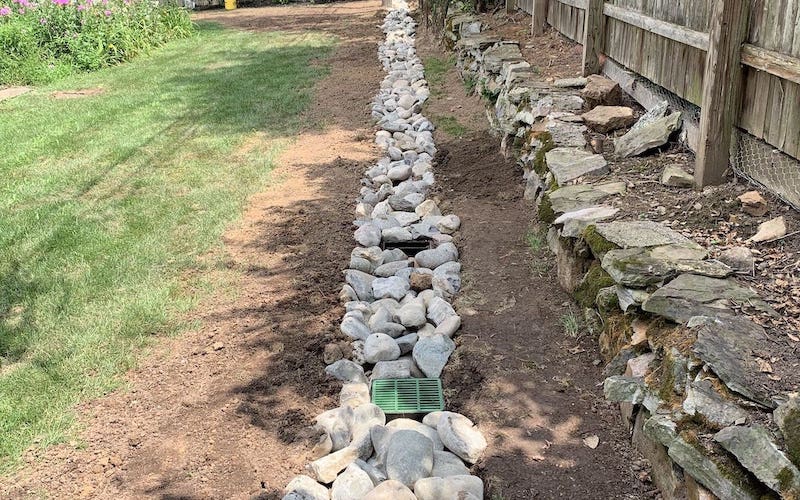
Image Source: hydroscapespa.com
Identifying the Root Cause of Your Yard’s Flooding
Before you can stop your yard from flooding, it’s crucial to figure out why it’s happening. Often, flooding isn’t caused by just one thing, but a combination of factors.
Common Culprits Behind Yard Flooding
- Poor Grading: If your yard slopes towards your house or low spots, water will naturally collect there. This is one of the most common reasons for puddles and sogginess.
- Compacted Soil: Over time, soil can become hard and dense, especially in high-traffic areas. This compaction prevents water from soaking into the ground, leading to surface runoff.
- Impermeable Surfaces: Driveways, patios, and sidewalks don’t absorb water. When rain falls on these hard surfaces, it all runs off, often towards your yard.
- Heavy Rainfall Events: Sometimes, even a well-draining yard can be overwhelmed by unusually heavy or prolonged periods of rain.
- Blocked Gutters and Downspouts: If your gutters are full of leaves and debris, or if downspouts aren’t directed away from your house, water can pour directly onto your foundation and into your yard.
- Low-Lying Areas: Naturally, the lowest points in your yard will collect water first.
- Clay Soil: Clay soil is dense and doesn’t drain well. If your yard has a lot of clay, water will sit on the surface for longer periods.
- Overwatering: While not typically a cause of severe flooding, consistent overwatering can lead to soggy soil and contribute to waterlogged conditions.
Simple Observation Techniques
To pinpoint the problem areas, take a walk around your yard after it rains.
- Watch where the water flows: Notice the paths water takes. Does it pool in specific spots? Does it run towards your house?
- Check your downspouts: Ensure they are extended at least 5-10 feet away from your foundation and are not blocked.
- Examine your soil: Dig a small hole in a problem area. Does water drain into it, or does it sit on top?
- Look for signs of erosion: Water that’s moving quickly can carry soil away, indicating a drainage issue.
Easy and Effective Drainage Solutions for Your Yard
Once you know why your yard is flooding, you can choose the right solutions. Many of these can be done yourself with a little effort and some basic tools.
Improving Soil Drainage: The Foundation of a Dry Yard
The ability of your soil to absorb water is key to preventing surface flooding.
Aeration: Giving Your Soil Room to Breathe
- What it is: Aeration is the process of making small holes in the soil to allow air, water, and nutrients to penetrate the root zone.
- How to do it:
- Core Aerator: This machine pulls out small plugs of soil, creating channels for water. You can rent these from garden centers.
- Spike Aerator: Simpler and often less effective, these spike the soil.
- When to do it: Fall and spring are generally the best times for aeration, when the grass is actively growing.
Adding Organic Matter: Nature’s Sponge
- What it is: Mixing compost, aged manure, or other organic materials into your soil improves its structure, making it lighter and more absorbent.
- How to do it:
- Top-dressing: Spread a layer of compost (about 1-2 inches) over the lawn and rake it in.
- Incorporation: For garden beds, dig in compost thoroughly before planting.
- Benefits: Organic matter helps break up clay soil and improves water retention in sandy soil, creating a more balanced drainage system.
Loosening Compacted Areas: Breaking Down the Barrier
- What it is: Directly breaking up hard-packed soil.
- How to do it:
- Digging: For small, severely compacted areas, you can dig them up with a shovel or garden fork and break up the clods.
- Double Digging: A more intensive method for garden beds that involves digging two trenches and loosening the soil in the second trench before filling it with the soil from the first.
Redirecting Surface Water: Guiding Rain Where You Want It
Sometimes, the simplest solutions involve guiding water away from problematic areas.
Grading Adjustments: Gentle Slopes for Smart Flow
- What it is: Slightly altering the contours of your yard to create a gentle slope that directs water away from your house and towards a drainage area.
- DIY Approach:
- Identify Low Spots: Mark areas where water collects.
- Add Topsoil: In low spots, add good quality topsoil and pack it down.
- Create a Gentle Slope: Aim for a drop of about 1 inch per foot for at least 6 feet away from your foundation.
- Professional Help: For significant grading issues, consider hiring a landscaping professional.
Rain Gardens: Beautiful and Functional Water Features
- What it is: A shallow depression planted with native, water-tolerant plants that collect and absorb rainwater runoff from roofs, driveways, and lawns.
- Benefits:
- Reduces the amount of water flowing into storm drains.
- Filters pollutants from the water.
- Provides habitat for local wildlife.
- Adds beauty to your landscape.
- How to create one:
- Choose a Location: Select a spot that receives runoff but isn’t directly next to your foundation.
- Dig a Depression: Aim for a depth of 6-12 inches, with gentle slopes.
- Amend the Soil: Mix in compost to improve drainage.
- Plant Appropriately: Choose native plants that thrive in both wet and dry conditions.
- Mulch: Apply a layer of mulch to retain moisture and suppress weeds.
Swales: Nature’s Channels
- What it is: A shallow, wide, vegetated ditch that intercepts surface runoff and allows it to slow down, spread out, and soak into the ground.
- How they work: Swales are essentially broad, gentle channels that move water slowly across the landscape.
- Benefits:
- Reduces erosion by slowing water flow.
- Promotes groundwater recharge.
- Can be integrated seamlessly into landscaping.
Dry Creek Beds: Decorative Water Diversions
- What it is: A decorative channel filled with gravel or river stones that mimics a natural creek bed. It’s designed to carry away excess water during heavy rain.
- How to build one:
- Dig a Channel: Make it wide enough to handle the expected volume of water.
- Lay Landscape Fabric: This prevents weeds but allows water through.
- Add Gravel: Use washed gravel or river stones. You can vary the sizes for a more natural look.
- Plant Around It: Use water-loving plants on the banks.
Installing Yard Drainage Systems: Tackling Persistent Water Problems
For more serious flooding, or in areas where grading and simple redirection aren’t enough, dedicated yard drainage systems are often necessary.
French Drains: The Classic Subsurface Solution
- What it is: A trench filled with gravel and a perforated pipe that collects and redirects groundwater and surface water away from a specific area.
- How it works: Water seeps through the gravel, enters the perforated pipe, and flows to a lower elevation or a designated drainage area (like a storm drain or dry well).
- Key Components:
- Trench: Dug to the desired depth and width.
- Gravel: Washed gravel or drainage stone.
- Perforated Pipe: Usually PVC or corrugated plastic.
- Landscape Fabric: Wrapped around the gravel and pipe to prevent soil from clogging the system.
- When to use them: Ideal for areas where water pools, along foundations, or to drain soggy lawns.
- DIY vs. Professional: While a smaller French drain can be a DIY project, larger or more complex systems are best left to professionals.
Channel Drains (Trench Drains): Surface Water Highways
- What it is: Long, narrow grates installed flush with the ground surface to capture and carry away surface water.
- Where they are useful:
- Across driveways or patios.
- At the bottom of slopes.
- Along foundations where surface water is a major issue.
- Installation: Requires creating a trench and setting the drain channels securely.
- Types: Available in plastic, metal, and concrete.
Catch Basins: Water Collection Points
- What it is: A grated inlet connected to an underground pipe system. They collect surface water and debris, preventing blockages in the pipes.
- How they work: Water flows into the grated opening, down into a below-ground basin, and then exits through an outlet pipe. The basin acts as a sump, trapping larger debris.
- Maintenance: You’ll need to periodically clean out the basin to remove collected leaves, dirt, and other sediment.
- Placement: Strategically placed in low-lying areas or where multiple drainage paths converge.
Sump Pumps: Pumping Water Out
- What it is: An electric pump placed in a pit (sump pit) that automatically activates when water levels rise, pumping the water away from your property.
- When they are essential: Most commonly used to prevent basement flooding, but can also be integrated into yard drainage systems to move water from a low point to a higher discharge point.
- Considerations: Requires a power source and a discharge pipe.
Water Runoff Control: Managing Rain Where it Falls
Effective water runoff control is about managing rainwater before it becomes a problem.
Rain Barrels: Harvesting Precious Water
- What they are: Barrels placed under downspouts to collect rainwater from your roof.
- Benefits:
- Reduces the amount of water flowing into your storm drains.
- Provides a free source of water for gardening.
- Helps conserve municipal water supplies.
- Tips for use:
- Ensure they are properly screened to prevent mosquito breeding.
- Place them on a stable base.
- Connect multiple barrels for increased storage.
Permeable Paving: Letting Water Through
- What it is: Paving materials that allow water to pass through them into the ground below.
- Examples:
- Permeable concrete: Contains larger voids.
- Porous asphalt: Similar to regular asphalt but with more air space.
- Pavers with gaps: Interlocking pavers with spaces filled with gravel or sand.
- Gravel: A simple and effective permeable surface.
- Where to use them: Driveways, patios, walkways, and even parking areas.
Landscape Drainage: Integrating Water Management into Your Garden Design
Good landscape drainage isn’t just about pipes; it’s about how your entire outdoor space is designed to handle water.
Choosing the Right Plants: Nature’s Drainage Assistants
- Water-tolerant plants: For areas prone to moisture, select plants that naturally thrive in wet conditions. Examples include:
- Hostas: Many varieties tolerate damp soil.
- Ferns: Sword ferns, Ostrich ferns, and others love moist environments.
- Irises: Particularly Japanese iris and Siberian iris.
- Daylilies: Many cultivars can handle consistently moist soil.
- Willows: These trees love water and can even be used to help dry out soggy areas.
- Plants that improve soil structure: Some plants, with their extensive root systems, can help break up compacted soil over time.
Raised Garden Beds: Elevating Your Growing Space
- What they are: Garden beds built above the surrounding ground level.
- Benefits for drainage:
- The soil in raised beds is typically amended with good drainage materials.
- Water drains away from the plant roots more effectively.
- Avoids planting directly into compacted or poorly draining native soil.
Flood Mitigation Yard: A Holistic Approach
Flood mitigation yard strategies involve a combination of the techniques discussed above to create a resilient landscape that can handle excess water.
Creating a Drainage Plan: Map Your Water’s Journey
Before you start digging, draw a simple plan of your yard.
- Mark problem areas: Where does water collect?
- Identify water sources: Where is the water coming from (roof, street, higher ground)?
- Designate discharge areas: Where can the water safely go (street drain, rain garden, swale)?
- Sketch your solutions: Where will you place French drains, rain gardens, or grading changes?
Maintenance: Keeping Your Drainage Systems Working
Even the best drainage systems need regular upkeep.
- Clean gutters and downspouts: At least twice a year, or more often if you have many trees.
- Check drains and catch basins: Remove debris to ensure they aren’t blocked.
- Inspect French drains: Look for signs of clogging or damage.
- Maintain rain gardens and swales: Keep them weeded and ensure plants are healthy.
Summary of Yard Drainage Solutions
Here’s a quick reference to the various methods you can employ:
| Solution Type | Description | Best For |
|---|---|---|
| Soil Improvement | Aeration, adding organic matter, loosening compacted soil. | Improving overall water absorption, breaking up clay. |
| Surface Water Mgmt | Grading, rain gardens, swales, dry creek beds. | Redirecting water flow, managing runoff from hard surfaces. |
| Subsurface Drainage | French drains, channel drains, catch basins, sump pumps. | Chronic waterlogging, intercepting groundwater, moving water away from structures. |
| Water Runoff Control | Rain barrels, permeable paving. | Harvesting water, reducing runoff volume, allowing infiltration. |
| Landscape Design | Planting water-tolerant species, raised beds. | Integrating drainage needs into the aesthetic and functional garden. |
Frequently Asked Questions (FAQ)
Q1: How much slope do I need to divert water away from my house?
A1: A general rule of thumb is to have a slope of about 1 inch for every 4 feet (or 2.5 cm per meter) for at least 6 feet (about 2 meters) away from your foundation. This helps ensure water runs away from your home.
Q2: Can I install a French drain myself?
A2: Yes, for smaller projects, you can install a French drain yourself. It involves digging a trench, laying gravel and perforated pipe, and covering it with fabric and more gravel. However, for larger or more complex installations, or if you’re unsure, it’s best to consult a professional landscaper or drainage specialist.
Q3: What plants are good for a rain garden?
A3: Look for native plants that can tolerate both wet and dry conditions. Some popular choices include hostas, ferns, astilbe, cardinal flower, sedges, and various types of iris. Research plants native to your specific region for the best results.
Q4: My yard still floods even after adding gravel. What else can I do?
A4: If adding gravel or improving soil drainage hasn’t solved the problem, you likely need a more comprehensive yard drainage system. Consider installing a French drain, channel drains, or a catch basin to collect and redirect water more effectively. It might also be a sign of deeper grading issues that need professional attention.
Q5: How do I stop water from pooling on my patio?
A5: If your patio is sloped correctly, water shouldn’t pool. If it does, the slope might be incorrect, or there might be depressions in the surface. For surface water issues on patios, installing channel drains along the edges or at strategic points can effectively capture and redirect water. You might also consider replacing sections with permeable pavers.
Q6: What is the difference between a swale and a French drain?
A6: A swale is a broad, shallow, vegetated channel designed to slow and absorb surface water. A French drain is a subsurface system consisting of a gravel-filled trench with a perforated pipe, designed to collect and carry away groundwater and excess soil moisture. Both manage water, but in different ways and locations.
By implementing these drainage solutions and rainwater management techniques, you can effectively prevent yard waterlogging and create a beautiful, functional outdoor space that is resilient to the challenges of excess water. Mastering water runoff control and understanding landscape drainage are key to a healthy and enjoyable yard, ensuring successful flood mitigation yard outcomes.